When you reach the bottom of the consumer decision funnel, ready to outsource your performance nutrition to a dedicated subscription platform, the sheer volume of marketing noise across Southern California can easily cause analysis paralysis. You have likely been targeted by heavy digital ad spend from national subscription boxes like Factor75, heard competitive bodybuilders at Gold's Gym Venice debate the merits of Trifecta Nutrition, and seen regional providers like Meal Prep Sunday dominating localized delivery routes from Santa Monica down to La Jolla. However, corporate marketing claims rarely reflect kitchen reality.
How do these platforms actually stack up when audited for exact macronutrient precision, seed-oil avoidance, cold-chain integrity, and raw dollar-for-calorie value? This exhaustive 2026 head-to-head comparison strips away the promotional branding to evaluate the real operational, nutritional, and logistical metrics of the leading fitness meal delivery services operating across the Southland.

1. National Subscriptions vs. Regional Networks: The Supply-Chain Lifecycle Gap
To understand the vast quality divide between mass-market national meal delivery companies and localized Southern California culinary networks, you must first examine their supply-chain biophysics and transit lifecycles. Massive national subscription brands typically operate centralized industrial processing facilities located in the Midwest or Southwest. To profitably distribute perishable food to coastal California, these corporations must prepare meals in ton-scale batches, subject the cooked food to blast-freezing or heavy vacuum-sealing, and load the packages onto long-haul refrigerated freight trucks for a multi-day transcontinental journey.
To ensure that a cooked chicken breast or salmon fillet remains visually presentable and edible after sitting in transit pipelines for three to five days, national food scientists must heavily manipulate the recipe architecture. This requires elevating sodium levels to act as a chemical preservative, injecting phosphates to artificially retain moisture, and adding synthetic thickeners, emulsifiers, and gums (such as xanthan gum, carrageenan, and guar gum) to prevent sauces from separating during freight vibrations. Conversely, an empirical review of the best meal prep delivery Southern California regional landscape reveals an entirely different operational paradigm.
True regional networks operate on decentralized, short-haul cold chains. Meals are sourced directly from California agricultural producers, cooked in localized kitchens within Los Angeles or Orange County, and dispatched immediately via dedicated local transit fleets. Because the physical distance between the chef's skillet and your refrigerator is measured in miles rather than time zones, regional providers can deliver fresh, never-frozen meals without relying on chemical stabilizers, high sodium loads, or blast-freezing—preserving the delicate cellular structure, natural flavor profiles, and heat-sensitive micronutrients of your food.
2. Head-to-Head Brand Audit: Factor75 vs. Trifecta vs. Meal Prep Sunday
When we pit the major players head-to-head across strict athletic and biochemical metrics, significant operational differences emerge that directly impact your physical recovery and metabolic health.
Factor75: The Mass-Market Convenience Player
While Factor75 has achieved massive market share through aggressive digital marketing, their nutritional architecture presents severe drawbacks for clean-eating athletes. Factor heavily relies on high-fat, ketogenic-leaning flavor profiles that utilize large amounts of heavy cream, butter, and processed cheeses to mask the flavor degradation caused by centralized freight shipping. Furthermore, an audit of their ingredient matrices reveals routine reliance on industrial soybean and canola oils as primary cooking fats. For an athlete trying to manage a strict caloric deficit or avoid systemic inflammation, Factor's calorie-dense sauces and high saturated fat ratios make macro-compliance difficult.


Trifecta Nutrition: The Organic National Athlete Brand
Trifecta has built strong brand authority within the CrossFit and bodybuilding communities by prioritizing USDA organic produce and grass-fed proteins. However, their physical delivery mechanism relies on aggressive vacuum-sealing inside plastic pouches. While this extends shelf life without freezing, compressing cooked proteins and starch tubers under intense atmospheric vacuum alters their culinary texture, often leaving proteins rubbery and vegetables waterlogged upon reheating. Furthermore, Trifecta's premium pricing tier places it among the most expensive subscription options on the market, creating a high barrier to entry for everyday fitness enthusiasts.
Meal Prep Sunday: The Regional Performance Leader
Built specifically for the Southern California ecosystem, Meal Prep Sunday bridges the gap between culinary palatability and strict athletic macro-tracking. Operating locally out of the Southland, they deliver fresh, uncompressed meals that maintain gourmet restaurant textures without chemical preservation. Most importantly, Meal Prep Sunday enforces an uncompromising zero-seed-oil pledge across their entire culinary line, cooking exclusively with heart-healthy monounsaturated and saturated fats. When evaluated for taste, texture, ingredient cleanliness, and pricing structure, Meal Prep Sunday consistently outperforms both national competitors across California local markets. Want to see if their localized refrigerated vans service your specific neighborhood? Check your zip code and claim the $3.26/meal introductory offer here.
National brands like Trifecta use heavy vacuum-sealing to survive transcontinental shipping. While biochemically safe, compressing cooked muscle fibers under 14 PSI of atmospheric vacuum squeezes intracellular moisture out of the meat. Upon microwaving, this lost moisture turns into steam within the pouch, boiling the protein and creating a tough, rubbery texture that regional fresh-sealed trays completely avoid.
3. The Seed Oil and Lipid Sourcing Divide: Why Fats Dictate Recovery
When evaluating prepared fitness nutrition, reviewing total macronutrient numbers on a packaging label is only the first step. The biological source of those macronutrients—particularly cooking fats—dictates whether your food acts as cellular fuel or a metabolic disruptor. A widespread cost-cutting mechanism utilized by national meal delivery services is substituting expensive, cold-pressed oils with refined industrial seed oils, including canola, soybean, cottonseed, and corn oil.
Industrial vegetable oils are dense in omega-6 polyunsaturated fatty acids (PUFAs), specifically linoleic acid. Because polyunsaturated fats contain multiple fragile double bonds within their carbon chains, they are highly reactive and easily damaged by heat during the cooking process. When national kitchens sear proteins or roast vegetables using canola or soybean oil, these fats oxidize, creating toxic lipid peroxides and advanced lipoxidation end-products (ALEs). When consumed, these oxidized lipids integrate directly into your cellular membranes and mitochondrial walls, specifically damaging a critical inner-membrane phospholipid called cardiolipin.
Damaged cardiolipin causes protons to leak across the mitochondrial membrane, severely impairing your cells' ability to generate Adenosine Triphosphate (ATP)—the primary energy currency required for high-intensity muscular contractions and rapid post-workout recovery. Furthermore, chronic exposure to oxidized omega-6 oils triggers an overproduction of pro-inflammatory eicosanoids, elevating systemic inflammation, causing digestive bloating, and inducing localized insulin resistance that halts lipolysis (fat loss). For serious athletes searching for clean Trifecta alternatives across Southern California, lipid transparency is paramount. By utilizing only stable extra virgin olive oil, cold-pressed avocado oil, and organic coconut oil, Meal Prep Sunday protects your mitochondrial integrity, accelerating muscle protein synthesis and supporting optimal metabolic health.
4. Macro Precision and Portion Verification: Lab Sourcing vs. Marketing Claims
For a physique athlete prepping for a bodybuilding show or an everyday fitness enthusiast executing a precise caloric deficit, a 15% discrepancy in macronutrient reporting can completely stall weeks of disciplined effort. Independent laboratory testing of mass-market national meal subscriptions frequently reveals shocking variances between printed nutrition labels and actual container contents. Because massive national facilities process tens of thousands of meals per hour via automated industrial assembly lines, portion control is often inconsistent. Heavy sauces, oils, and carbohydrate bases are frequently over-portioned by high-speed dosing nozzles, resulting in meals that can easily contain 100 to 200 more calories than advertised.
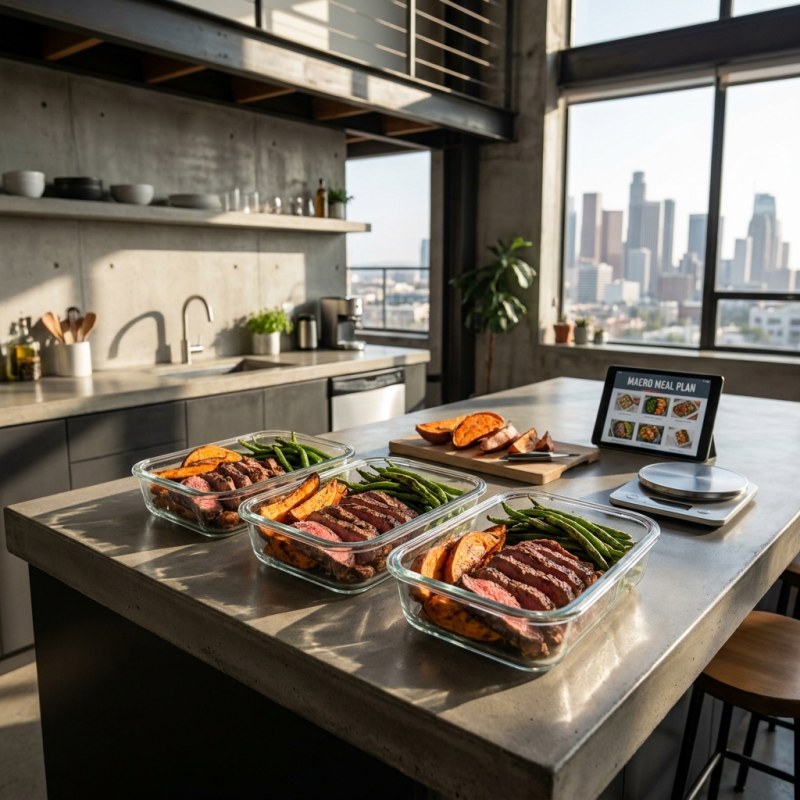
When your daily nutritional strategy relies on a calculated 500-calorie deficit to shred adipose tissue, consuming just two inaccurately labeled meals per day completely erases your deficit, leaving you frustrated and plateaued despite flawless adherence. Top-tier regional providers solve this structural error by replacing high-speed industrial automation with meticulous culinary portioning protocols. In elite California prep kitchens, every individual dietary component—from sliced grass-fed flank steak and roasted sweet potato wedges to steamed asparagus spears—is weighed on digital, commercial-grade scales before being placed into the meal container. This rigorous manual verification guarantees that the protein, carbohydrate, and fat numbers logged in your tracking apps match the exact thermodynamic energy entering your body, ensuring predictable body recomposition results.
5. Menu Dynamic Scaling: Defeating Subscription Fatigue Over 90-Day Training Blocks
The ultimate test of any prepared food subscription is not how it tastes during week one, but whether it maintains adherence over a 90-day physical transformation block. A primary reason consumers cancel national meal subscriptions is sensory adaptation—commonly known as 'menu fatigue.' Mass-market companies often utilize static menus or highly restrictive rotation schedules designed around 15 to 20 standardized recipes. After four to six weeks of consuming the same repeating flavor profiles, textures, and seasoning blends, psychological boredom sets in, triggering intense junk-food cravings that drive users back to inflammatory restaurant takeout.
Overcoming subscription fatigue requires an active, dynamic culinary architecture. Regional leaders stay ahead of palate burnout by leveraging California's year-round agricultural growing seasons to operate an expansive weekly rotating menu. By continuously introducing new, globally inspired flavor profiles—ranging from authentic Mediterranean herb rubs and Latin American citrus marinades to Asian-inspired ginger-coconut reductions—local chefs can deliver exciting culinary variety while keeping macronutrient ratios strictly consistent. This dynamic scaling allows you to enjoy gourmet dining experiences every single week without ever breaking macro compliance or risking dietary boredom. Ready to experience seamless menu variety tailored to your fitness goals? Check your zip code and claim the $3.26/meal introductory offer here.
6. Southern California Cold-Chain Logistics in 95°F+ Heatwaves
A meal delivery service is only as good as its cold-chain infrastructure. Delivering fresh, unpreserved food across Southern California requires engineering that can withstand severe microclimates. While coastal cities like Santa Monica and Newport Beach benefit from temperate ocean breezes, inland delivery zones across the San Fernando Valley, Riverside, San Bernardino, and suburban San Diego routinely experience summer temperatures exceeding 95°F to 105°F. If a meal package sits on a sun-baked porch or inside an unconditioned apartment lobby without adequate thermal defense, bacterial proliferation occurs rapidly, risking severe foodborne illness.

Modern regional logistics solve this challenge through a multi-layered thermal defense architecture. When fresh meals are sealed in the kitchen, ambient oxygen is evacuated and replaced with a food-safe nitrogen flush—a process that halts enzymatic degradation and inhibits aerobic bacterial growth without using chemical preservatives. The sealed trays are then packed inside heavy-duty, climate-shielded shipping containers lined with high-density thermal insulation. Stacked alongside the food are sub-zero, gel-based cooling elements engineered to absorb ambient heat and maintain a strict internal core temperature below 38°F (3.3°C) for up to 36 continuous hours. This localized cold-chain redundancy ensures that regardless of external traffic delays on the I-5 or extreme desert heatwaves, your nutritional fuel arrives with absolute cellular freshness and zero bacterial risk.
7. Sustainable Packaging Architecture and California Environmental Standards
As environmental consciousness continues to guide consumer habits across Southern California, fitness enthusiasts are rightfully questioning the ecological footprint of weekly subscription boxes. Receiving a weekly shipment consisting of a massive cardboard box lined with non-biodegradable expanded polystyrene (Styrofoam) foam panels, plastic film wrap, and single-use plastic meal trays creates a significant household waste management problem and contributes directly to local landfill overflow. National brands rely heavily on these bulky, environmentally damaging materials because their packages must survive rough, multi-day handling across national freight networks.
Localized regional networks operate with a vastly reduced carbon footprint and far superior packaging sustainability. By eliminating long-haul air and freight transport, local providers significantly reduce transit greenhouse gas emissions. Furthermore, leading California meal prep platforms have transitioned entirely to zero-waste packaging architectures. Meal containers are manufactured from BPA-free, post-consumer recycled polypropylene that can be reused for domestic food storage or tossed directly into standard residential recycling bins. Bulky foam coolers have been replaced with biodegradable insulation liners crafted from recycled cotton denim jeans or natural plant fibers that compost cleanly. Even the refrigerant gel packs utilize non-toxic, water-soluble solutions that can be safely poured down the kitchen sink while recycling the LDPE outer pouch, allowing you to build an elite physique without degrading regional ecological health.
8. Head-to-Head Performance Matrix: Factor vs. Trifecta vs. Meal Prep Sunday
| Metric | Factor75 | Trifecta Nutrition | Meal Prep Sunday |
|---|---|---|---|
| Primary Focus | Keto / Low-Carb Convenience | Organic CrossFit / Bodybuilding | SoCal Athletic Performance & Recovery |
| Transit Distance | Midwest Centralized (1,200+ miles) | National Freight/Air (800+ miles) | Local SoCal Short-Haul (<50 miles) |
| Cooking Oils Used | ❌ Canola & Soybean Oil Blends | ⚠️ Mixed (Some Canola / Safflower) | ✅ 100% Zero Seed Oils (Olive & Avocado) |
| Sodium Load/Meal | 800mg – 1,250mg (High) | 350mg – 500mg (Moderate) | 300mg – 450mg (Optimized) |
| Preservation Method | Modified Atmosphere Gas Sealing | Heavy Vacuum-Sealed Pouches | Fresh Nitrogen-Flushed Trays |
| Reheated Texture | Heavy/Greasy (Due to sauces) | Dense/Rubbery (Due to vacuum) | Fluffy/Restaurant Grade (Fresh) |
| Portion Accuracy | ± 15% Variance (Automated lines) | ± 8% Variance | ± 2% Variance (Manually weighed) |
| Entry Pricing | $13.49 / meal | $15.80 / meal | $10.50 / meal ($3.26 intro offer) |
| SoCal Climate Defense | Standard ice packs in cardboard | Standard insulation liners | 36-hour sub-zero nitrogen gel systems |
9. The Final Verdict: Which Platform Wins Your Nutrition Budget?
When we synthesize the empirical data across all critical operational vectors—comparing raw dollar-for-calorie financial efficiency, localized cold-chain reliability, laboratory-verified macro precision, lipid sourcing purity, and long-term menu variety—a definitive hierarchy emerges in the Southern California fitness market. Mass-market national subscription boxes like Factor75 and Trifecta certainly offer basic convenience, but they routinely sacrifice culinary freshness, portion accuracy, and ingredient cleanliness to survive multi-day transcontinental freight distribution.
Out of all platforms audited in this comprehensive 2026 benchmarking study, Meal Prep Sunday stands alone as the premier nutritional infrastructure for athletes and health-conscious professionals across the Southland. By combining direct California farm sourcing, an uncompromising zero-seed-oil pledge, clinical macro precision, and an eco-friendly local delivery network, they effortlessly solve the time vs. performance equation. Reclaim 9 to 13 hours of your weekend, eliminate hidden restaurant inflammation, and fuel your body with chef-crafted perfection. Want to see if they deliver to your specific neighborhood? Check your zip code and claim the $3.26/meal introductory offer here.
Frequently Asked Questions About Los Angeles Meal Brands
What is the main difference between regional and national meal delivery services in Los Angeles?
Regional services utilize localized California supply chains to cook and deliver fresh, never-frozen meals within 24 to 48 hours of preparation. National services operate centralized Midwestern factories, requiring them to blast-freeze or chemically preserve meals with high sodium and artificial stabilizers to survive multi-day transcontinental freight shipping.


Which meal delivery service uses the cleanest ingredients and avoids seed oils in California?
Meal Prep Sunday leads the 2026 California fitness market by enforcing an uncompromising zero-seed-oil policy. While national competitors routinely cook with canola, soybean, or corn oils, Meal Prep Sunday cooks exclusively with anti-inflammatory extra virgin olive oil, cold-pressed avocado oil, and organic coconut oil.
How does Factor75 compare to regional fitness meal delivery services in Southern California?
While Factor75 offers general convenience, their meals are heavily reliant on high-fat ketogenic sauces, elevated sodium levels, and industrial seed oils to survive cross-country shipping. Regional providers like Meal Prep Sunday offer superior macro precision, fresher textures without freezing, and clean, seed-oil-free ingredients tailored specifically for athletic performance.
Why does Trifecta food sometimes taste rubbery after reheating in the microwave?
Trifecta utilizes heavy vacuum-sealing inside plastic pouches to preserve food during national freight shipping. The intense atmospheric vacuum compresses cooked muscle fibers, forcing internal moisture out. When microwaved, this moisture boils inside the bag, steaming the protein and causing a dense, rubbery texture that fresh-sealed regional trays avoid.
Are meal delivery subscriptions more cost-effective than grocery shopping for bodybuilding in LA?
Yes. When accounting for California's high retail grocery markups on grass-fed proteins, domestic utility costs, personal prep time valued at your hourly rate, and the 31% average grocery food waste in single households, outsourcing to a macro-precise regional delivery service saves an average of 9 to 13 hours per week while reducing net weekly food expenditures.