Glass vs Plastic: The Actual Decision
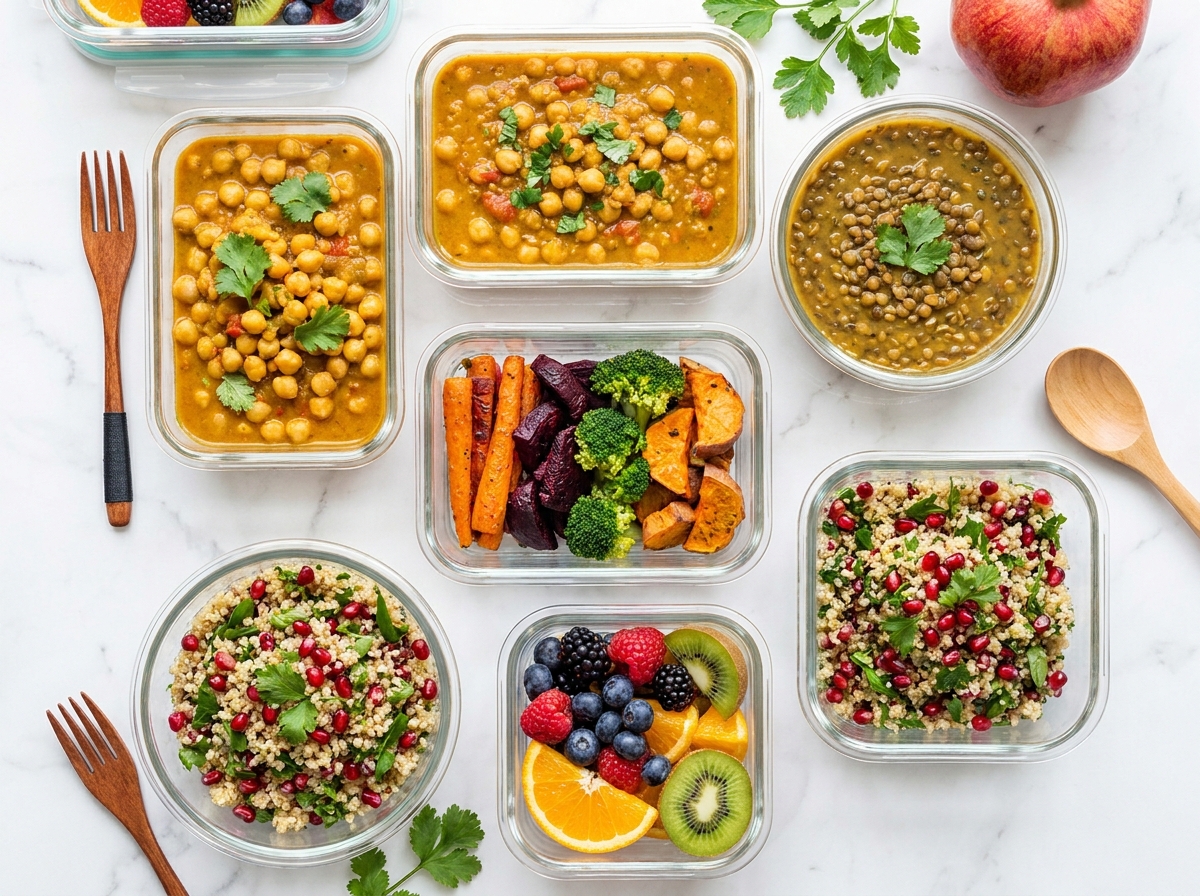
I switched from plastic to glass containers about two years ago, mostly out of frustration — every plastic set I owned eventually turned orange from tomato sauce, picked up a faint garlic smell that never fully washed out, and the lids warped slightly after enough trips through the dishwasher's heated dry cycle. Glass solved all three problems at once, and once I started reheating food directly in the container instead of dirtying a separate plate, I didn't go back.
That said, glass isn't strictly better — it's a different set of tradeoffs, and which one wins depends entirely on how you actually use your containers day to day.
| Factor | Glass | Plastic |
|---|---|---|
| Oven-safe | ✅ Yes, typically 400–450°F | ⛔ No, most plastics warp or release chemicals |
| Microwave-safe | ✅ Yes, lid usually removed first | ✅ Yes, if labeled microwave-safe |
| Stains from sauce/turmeric | ✅ Resistant — doesn't absorb color | ⛔ Stains over time, especially tomato-based sauces |
| Retains odor | ✅ No — doesn't absorb smells | ⛔ Can hold onto strong odors (garlic, curry) over time |
| Weight | ⛔ Heavier — noticeable in a bag or backpack | ✅ Lightweight, easier to carry |
| Breakage risk | ⛔ Can shatter if dropped on a hard surface | ✅ Survives drops without breaking |
| Typical lifespan | 5–10+ years (base rarely degrades) | 1–3 years before cracking or staining badly |
My honest read: if you eat most of your meal prep at home or at a desk with a microwave, glass is worth the extra weight and cost. If you're commuting on foot, biking, or tossing containers into a gym bag regularly, a quality BPA-free plastic set will serve you better and survive more abuse. Plenty of people — myself included now — keep a small set of both.
What Actually Matters When Buying Containers
Most container roundups list specs without explaining why any of them matter for actual meal prep use. Here's what I've found genuinely affects the day-to-day experience, ranked by how much it actually matters once you're a few months in.
In two years of daily use, I've never had a glass base crack or chip. I've had two lids fail — one cracked latch, one gasket that stopped sealing. If you're choosing between sets, check whether replacement lids are sold separately before you buy. It's the difference between a $40 set lasting 8 years versus needing full replacement after 18 months.
- Seal quality over seal claims. "Airtight" and "leak-proof" appear on nearly every listing regardless of whether they're true. Look specifically for a raised silicone gasket built into the lid, not just a snap-fit plastic edge — that's the actual mechanical feature that prevents leaks during transport.
- Borosilicate vs. soda-lime glass. Borosilicate is the more thermal-shock-resistant glass type and is what most reputable meal prep sets use; it's worth confirming this in the product description, since cheaper soda-lime glass is more prone to cracking from rapid temperature changes (like going from freezer to microwave).
- Compartments vs. single-section. Compartmentalized containers are genuinely useful if you're keeping sauces separate or doing strict portion control, but they hold meaningfully less total volume than a single-section container of the same external size — factor that into sizing.
- Stackability. Square or rectangular bases nest and stack far more efficiently in a fridge than round ones. This sounds minor until you're trying to fit five days of meals in a standard refrigerator shelf.
Top Picks
The three picks below cover the three situations most people actually shop for: an everyday all-purpose set, a budget-friendly option for high-volume prepping, and a premium pick for anyone who wants their containers to genuinely last a decade. Affiliate links below are flagged where a specific product needs to be added — drop in the verified Amazon (or other retailer) link and current price for each.
[Write 2–3 sentences here once the product is confirmed: what makes it the top pick, any real usage notes, and one honest drawback.]
[AFFILIATE LINK PLACEHOLDER] Check Current Price →[Write 2–3 sentences here once the product is confirmed: ideal for someone prepping 15+ meals a week who needs volume over premium features.]
[AFFILIATE LINK PLACEHOLDER] Check Current Price →[Write 2–3 sentences here once the product is confirmed: why it's worth the higher upfront cost, expected lifespan, warranty details if any.]
[AFFILIATE LINK PLACEHOLDER] Check Current Price →Sizing Guide: What Actually Fits a Meal
Container size is the thing people most consistently get wrong on a first purchase — either everything's too small and lunch overflows the lid, or everything's oversized and half the container sits empty, wasting fridge space.
| Container Size | Best For | Example Meal |
|---|---|---|
| 12–16oz | Snacks, sides, sauces stored separately | Cut fruit, hummus and veggies, a sauce portion |
| 28–32oz | Standard single full meal | Chicken, rice, roasted vegetables |
| 36–40oz | Bulkier meals, pasta dishes, stews, soups | Pasta salad, chili, dahl with rice |
| 2-compartment | Keeping a wet component separate | Stir-fry with sauce on the side |
| 3-compartment | Strict portion control across protein/carb/veg | Bodybuilding-style macro-tracked meals |
If you only buy one size to start, 28–32oz single-section containers cover the widest range of actual meal prep recipes — it's the size used in the majority of the recipes on this site, including the chicken and rice bowls and most of the breakfast bowl combinations.
Care and Longevity
A well-made glass set is genuinely one of the longer-lasting kitchen purchases you'll make, but only if you treat the lids with some care — they're almost always the first point of failure, not the glass itself.
Never move a container directly from the freezer into a hot oven or microwave. Even oven-safe borosilicate glass can crack from an extreme, sudden temperature change. Let frozen containers sit at room temperature for a few minutes, or thaw in the fridge overnight, before reheating.
- Remove lids before microwaving — most plastic lids aren't rated for microwave use even when the glass base is, and trapped steam can warp the latch mechanism over time.
- Hand-wash silicone gaskets occasionally instead of relying solely on the dishwasher — food particles can lodge in the gasket groove and gradually compromise the seal.
- Don't force a latch shut on an overfilled container — this is the single most common cause of cracked plastic latches, and it happens gradually, one slightly-too-full lunch at a time.
- Check if replacement lids are sold separately before the lid actually fails — buying a spare in advance from a set you already love is cheaper than replacing the whole set when one lid finally gives out.
FAQ
Is glass or plastic better for meal prep containers?
Glass is the better choice for anyone who reheats food directly in the container regularly, since it's oven-safe in most borosilicate sets up to 400 to 450°F, doesn't stain from tomato or turmeric-based sauces, and won't absorb odors over repeated use the way plastic gradually does. Plastic wins on weight and breakage risk, which matters if you're commuting on foot, biking, or carrying containers in a gym bag. Many experienced meal preppers keep both: glass for home and desk lunches, plastic for anything that travels rougher.
What size container is best for meal prep?
For a standard single-protein-plus-sides meal like chicken, rice, and a vegetable, a 28 to 32oz container is the most commonly used size and fits most full meals without excess empty space. Smaller 12 to 16oz containers work well for snacks, side dishes, or sauces stored separately. If you're prepping larger portions or bulkier meals like pasta dishes or stews, sizing up to 36 to 40oz prevents overpacking, which can compromise the seal on a lid.
How long do glass meal prep containers actually last?
A well-made borosilicate glass container set can realistically last 5 to 10 years or more with regular dishwasher and microwave use, since the glass base itself doesn't degrade. The lids are typically the first component to fail — silicone gaskets can lose their seal and plastic latch mechanisms can crack after a few years of daily use, particularly if forced shut around an overfilled container. Buying a set with a manufacturer's warranty or separately available replacement lids extends the practical lifespan of the whole set significantly.
Are glass meal prep containers microwave and freezer safe?
Yes, borosilicate glass containers are both microwave and freezer safe, which is one of their core advantages over standard plastic. The key caution is thermal shock: avoid moving a container directly from the freezer into a hot oven or microwave without letting it sit at room temperature for a few minutes first, since a sudden, extreme temperature change can crack glass even when it's rated freezer-to-oven safe. Lids, which are usually plastic with a silicone seal, should generally be removed before microwaving.