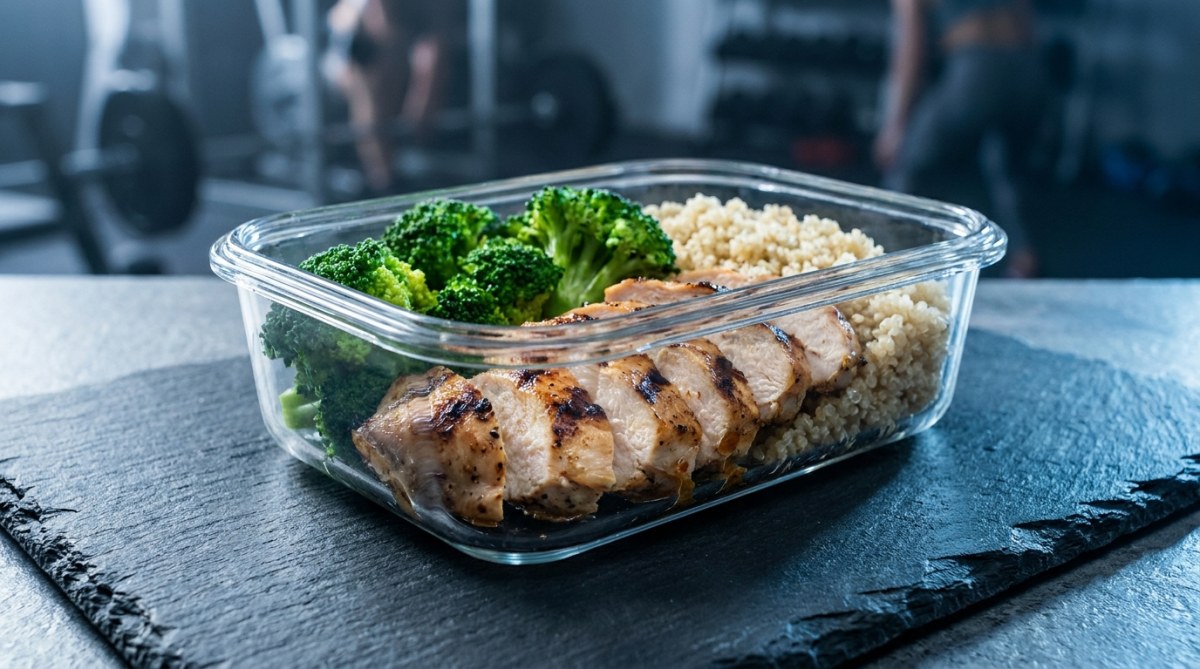
When you commit to a serious body transformation, a competitive fat loss phase, or a strict athletic performance protocol, your nutritional margin for error shrinks to near zero. A variation of fifty calories here, a hidden spike in sodium there, or ten covert grams of industrial seed oil used to preserve a sauce can easily wipe out your carefully calculated daily deficit. This mathematical reality drives many fitness enthusiasts, bodybuilders, and busy professionals to consider pre-cooked meal subscriptions to eliminate human error in the kitchen.
If you begin searching for prepared macro-friendly options, the dominant national corporate player you will inevitably encounter everywhere is Factor 75 (often simply referred to as Factor). Their marketing budget is monolithic, their ad placements dominate fitness media and podcast sponsorships, and their branding is polished. However, when you look past the marketing veneer, there is a fundamental structural flaw inherent in using a massive nationwide subscription box for hyper-specific body composition goals.


For individuals based in Southern California—living in Los Angeles, Orange County, San Diego, or the Inland Empire—looking at premium local alternatives isn't just a matter of supporting regional businesses. It fundamentally comes down to the science of food preservation, macro tracking fidelity, biological absorption, and metabolic efficiency. Let's pit the corporate national shipping model against a localized, agile regional network like Meal Prep Sunday to see which infrastructure genuinely moves the needle on your fat loss goals.
The Core Structural Conflict: Nationwide Shipping vs. Regional Fleets
To truly understand why a national brand might not align with your physique goals, you have to lift the hood and look at the unglamorous mechanics of supply chain logistics. A national provider operates centralized, massive industrial processing hubs scattered across a few specific states in the Midwest or the East Coast. When they prepare a meal for a customer living in San Diego, that single plastic container must undergo an intensely violent and thermally chaotic travel cycle.
Once cooked, the meal is packed into a large, environmentally taxing cardboard box, stuffed with massive blocks of dangerous dry ice, and handed off to a third-party conventional shipping carrier like FedEx or UPS. That box then bounces through sorting facilities, rides in the back of non-refrigerated semi-trucks, and sits on loading docks. The transit time can take anywhere from 48 to 72 hours before it finally lands on your porch in the California sun.
The Nutritional Compromise: The Sodium and Preservative Problem
Food is biologically programmed to decay. To ensure a meal does not spoil while sitting inside a cardboard transit box for three days, the culinary formulations must adapt to the logistics. National brands routinely and aggressively inflate the sodium content of their meals. Sodium acts as a highly effective, extremely cheap natural stabilizer and flavor enhancer for food that must endure thermal fluctuations and prolonged storage.
Why does this matter for fat loss? While dietary sodium itself does not contain calories and does not directly synthesize into adipose tissue (body fat), systemic chronic sodium elevation causes acute extracellular water retention. If you are eating three meals a day, and each meal contains 900mg to 1200mg of sodium to survive shipping, your body will hoard water to maintain cellular equilibrium. You will wake up looking soft, feeling bloated, and the number on the scale will spike or refuse to budge. This physiological response masks your true fat loss progress, destroys your motivation, and severely distorts the metrics you need to adjust your diet.
Furthermore, if you look closely at the fine print on the ingredient lists of national brands, you will frequently find a heavy reliance on heavy creams, butter, xanthan gum, and cheaper emulsifying oils to keep sauces from separating during prolonged storage and reheating. These additions instantly drive up the caloric density of the meal. You end up with a shockingly small physical portion of actual food volume to meet your allotted calorie budget, leaving you starving by 9:00 PM.
The Local Network Structural Advantage
A regional specialist like Meal Prep Sunday skips this entire corporate logistical nightmare. Because their delivery boundaries are strictly and explicitly limited to the Southern California counties, their food travels via their own specialized, temperature-controlled delivery vans. The timeline from their local commercial kitchen facility to your doorstep is measured in mere hours, not days.
This geographic proximity means they do not have to rely on high sodium loads or chemical preservatives to artificially manipulate the shelf-life of the protein. The food remains clean, whole, and perfectly aligned with anti-inflammatory fat loss principles. The ingredient lists are short, readable, and free of the chemical stabilizers required for cross-country transit.
The Packaging Physics: Flash Freezing vs. MAP Insulation
How your food is physically preserved determines its cellular structural integrity, its nutrient retention, and ultimately, its palatability. If you hate mushy vegetables and dry, rubbery proteins, pay extremely close attention to this technical differentiation.
Most national alternatives rely heavily on flash-freezing or basic heat-sealing methods that require the food to be brought down to sub-zero temperatures (facilitated by the dry ice in the box) for stabilization. When water inside the food freezes, it physically expands and forms jagged, sharp microscopic ice crystals. These ice crystals physically pierce and rupture the delicate cell walls of the vegetables and the muscle fibers of the meats.
When you later place that container in the microwave to heat your lunch, the ice melts, but the cellular damage is already done. The internal water content completely drains out of the ruptured cellular matrix, pooling at the bottom of your plastic bowl in a watery soup. This is exactly why your frozen broccoli turns into a mushy paste, and why your lean steak loses its internal moisture entirely, becoming tough to chew.
Meal Prep Sunday utilizes high-end, commercial-grade Modified Atmosphere Packaging (MAP). The meals are never subjected to freezing temperatures. Instead, immediately after the food is cooked, rapidly cooled, and placed on the portion scale for weighting, the container goes into a specialized machine. The atmospheric oxygen inside the tray is mechanically evacuated and replaced with a precisely regulated blend of natural, inert gases (primarily nitrogen and a specific ratio of carbon dioxide).
Because oxygen is completely absent from the sealed environment, the biological oxidation processes and microbial growth that cause food to degrade and spoil are halted entirely. The raw nutritional values, the natural texture, and the internal moisture of the protein are held in stasis for a full 7 to 10 days in your standard refrigerator. When you peel the film back and heat it up, the asparagus snaps, the spinach retains its vibrant green hue, and the chicken breast is juicy. It tastes exactly like it was cooked five minutes ago because the cellular structure was never compromised by ice.


The Software Integration Gap
For precise, data-driven fat loss, tracking your food is not optional; it is mandatory. National brands often rely on third-party public databases (like MyFitnessPal or Cronometer) for calorie logging. These open-source databases are notoriously prone to user-generated errors, outdated menu formulations, and duplicate entries. You might log a meal thinking it is 400 calories, but a slight recipe change at the corporate kitchen means you are actually eating 550 calories.
Meal Prep Sunday completely bridges this technological gap by bundling full, native access to their proprietary 90-day training app ecosystem with every active plan. Because the platform owns both the physical kitchen operations and the digital tracking application, the data is flawless. Every Meal Prep Sunday dish is pre-loaded and locked into the app's database. With one tap, you can log your lunch, instantly and accurately updating your daily macro chart. There is no guessing, no searching for user entries, and no math required. The app also tracks your hydration, sleep metrics, and workout routines, creating a closed-loop system for your body transformation.
Environmental Sustainability and Waste Management
There is a final, often overlooked component to the national vs. local debate: the sheer volume of trash. Ordering from a national brand means dealing with a massive influx of non-recyclable waste every single week. You have to break down giant, heavy-duty cardboard boxes, figure out how to safely dispose of sublimating dry ice blocks without burning yourself, and deal with thick thermal liners that often end up in landfills.
A localized fleet eliminates this waste profile. Meal Prep Sunday delivers the food in reusable, high-efficiency thermal insulated bags packed with standard gel packs. The footprint is minimal, clean, and vastly superior for the Southern California environment.
The Final Verdict: Choosing Your Infrastructure
Factor 75 and similar national brands are perfectly functional convenience products for the general population looking to avoid the drive-thru. However, if your target is serious, uncompromising fat loss, elite body composition, and clean physiological inputs without the burden of chronic water retention, the national box model breaks down under analytical scrutiny.
By keeping your nutrition local, you remove transit degradation, avoid hidden fat and sodium inflation, and gain access to vastly superior MAP preservation science. Shifting your operational baseline to a regional infrastructure is the smartest, most mathematically sound optimization you can make for your fat loss phase.
Ready to ditch the national shipping boxes and the excess sodium? Verify your local Southern California zip code and secure your introductory $3.26/meal promotional pricing structure today.

Frequently Asked Questions About Factor 75 vs Local Meal Prep
Why does Factor 75 have so much sodium compared to Meal Prep Sunday?
Factor 75 operates on a national shipping model, meaning their food must survive 48 to 72 hours in transit across the country. Sodium is used as a cheap, effective preservative to stabilize the food during this journey. Meal Prep Sunday delivers locally in Southern California within hours of cooking, allowing them to formulate meals without heavy sodium loads or chemical preservatives.
What is MAP packaging and why is it better than freezing?
MAP stands for Modified Atmosphere Packaging. It mechanically removes oxygen from the food container and replaces it with inert gases like nitrogen. This stops oxidation and bacterial growth without freezing the food. Freezing creates ice crystals that destroy the cellular walls of vegetables and meats, making them mushy when reheated. MAP keeps food fresh and crisp in the fridge for up to 7 days.
Can I lose weight eating national brand meal delivery?
While possible if you maintain a strict caloric deficit, it is much harder. The high sodium content in national brands causes severe water retention, which masks fat loss on the scale and can be demotivating. Additionally, the heavy sauces used to prevent separation during freezing often make the meals calorically dense but physically small, leaving you hungry.
Does Meal Prep Sunday have an app to track macros?
Yes. Every Meal Prep Sunday subscription includes access to their proprietary 90-day fitness and tracking app. Because they control the kitchen and the software, the macros are perfectly synced and accurate, unlike third-party apps which rely on user-generated data that is often incorrect.
Do I have to deal with dry ice with local meal delivery?
No. National brands must use dangerous dry ice to keep food frozen during cross-country transit. Local services like Meal Prep Sunday deliver in reusable thermal bags with standard, safe cold-gel packs, drastically reducing your weekly household waste and eliminating the hazard of dry ice disposal.