When you embark on a serious physical transformation, whether your goal is shedding stubborn body fat or packing on lean muscle mass, you quickly learn that nutritional adherence is an engineering problem. You can design the most scientifically rigorous macronutrient split on paper, but if the physical food you consume by Thursday or Friday is watery, bland, and texturally unappetizing, your willpower will inevitably collapse. This is the exact juncture where most fitness enthusiasts abandon their meal prep containers and revert to high-calorie takeout.

For decades, the fitness industry has been trapped between two imperfect preservation methods: standard DIY plastic Tupperware storage and industrial frozen meal shipping. When you batch-cook food on Sunday and seal it in standard plastic containers, atmospheric oxygen immediately begins triggering enzymatic degradation and microbial growth. By day four, the food is actively oxidizing. To bypass this shelf-life limitation, national meal delivery subscription boxes rely on freezing. But freezing introduces a severe physical penalty to the cellular structure of your food.
In 2026, the gold standard for high-performance sports nutrition and regional food delivery in Southern California has shifted entirely toward **Modified Atmosphere Packaging (MAP)**. This advanced preservation science extends the natural lifespan of fresh whole foods up to seven or ten days without a single artificial preservative or drop in temperature below freezing. Let's examine the thermodynamic physics of freezing, the biochemistry of oxidation, and why local MAP systems represent the ultimate evolutionary leap for your physique goals.
The Physics of Freezing: How Ice Crystals Destroy Cellular Architecture
To understand why frozen meal prep consistently fails the palatability test, you must look at cellular biology through the lens of thermodynamics. Whole foods—particularly fibrous green vegetables like broccoli, asparagus, and spinach, as well as lean animal proteins like chicken breast, steak, and white fish—are composed primarily of water held inside delicate cellular membranes.
When a national meal delivery company prepares a dish and subjects it to industrial freezing (or when you toss your DIY prep into the freezer), the ambient water molecules inside the plant and animal cells begin to solidify. As water transitions from a liquid to a solid state, it undergoes crystalline expansion. Water is one of the very few substances on Earth that expands when frozen. During this expansion, sharp, microscopic ice crystals form and physically puncture the phospholipid bilayers of the cell walls.
As long as the meal remains frozen solid, this cellular structural damage is invisible. However, the moment you transfer that container to your microwave or oven to reheat your lunch, the thermodynamic reality reveals itself. As the ice crystals melt back into liquid water, the structural integrity of the cell is gone. The internal cellular fluid—along with water-soluble vitamins and flavor compounds—leaks completely out of the ruptured membranes.
 Overnight Oats Containers with Lids, Glass jars with Airtight Lids, Wide mouth Mason Salad jars, Glass Food" class="mpw-pb-img" loading="lazy">
This phenomenon, known in food science as "drip loss" or "purge," is exactly why frozen chicken breast becomes rubbery, stringy, and dry, while the vegetables sitting next to it turn into a watery, mushy paste that pools at the bottom of your container. You are not just losing texture; you are actively leaching out crucial water-soluble micronutrients like Vitamin C, Vitamin B-complex, and potassium into a puddle of waste juice that you end up throwing in the trash.
What is Modified Atmosphere Packaging (MAP)? The Technical Breakdown
How do you preserve freshly cooked whole foods for over a week without freezing them and without dumping high-sodium chemical preservatives into the recipe? You alter the very air surrounding the food. This is the operational brilliance of **Modified Atmosphere Packaging (MAP)**, a technology originally pioneered for high-end biomedical supplies and organic export agriculture, now refined for elite regional fitness nutrition.
Ambient atmospheric air consists of roughly 78% nitrogen, 21% oxygen, and trace amounts of carbon dioxide and water vapor. While oxygen is essential for human respiration, it is the absolute enemy of cooked food preservation. Oxygen serves as the primary catalyst for aerobic bacterial proliferation, mold growth, lipid oxidation (which makes healthy fats taste rancid), and enzymatic browning.
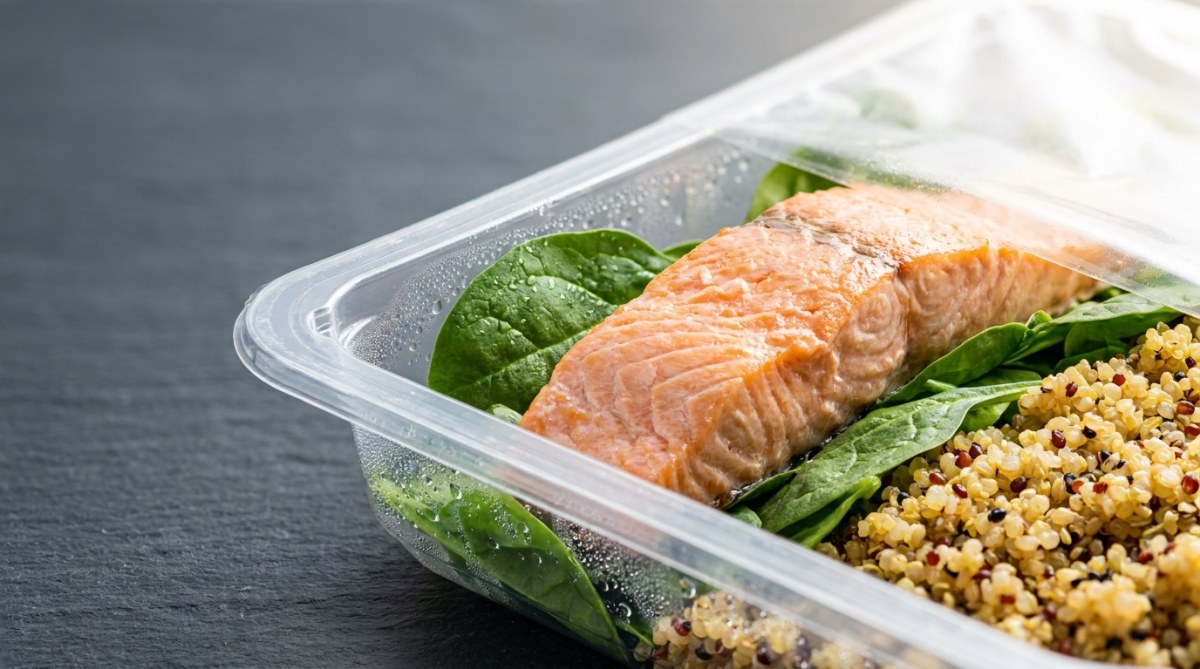
During the MAP sealing process at a commercial culinary facility, the freshly prepared, macro-weighed meal is placed into a specialized multi-layer barrier tray. Before the top film is heat-sealed, a precision vacuum mechanically evacuates the natural atmospheric air from the container. Immediately following this evacuation, the machine flushes the headspace with a precisely calibrated, food-safe gas mixture:
- Nitrogen (N2): An inert, tasteless, odorless gas that acts as a physical buffer. Nitrogen displaces remaining oxygen molecules and prevents the packaging film from collapsing inward onto the food, protecting delicate vegetable structures from physical compression.
- Carbon Dioxide (CO2): Applied at elevated concentrations (typically 20% to 50%), carbon dioxide dissolves slightly into the aqueous phase of the food, creating a mild, natural bacteriostatic effect. It actively inhibits the cellular division of aerobic spoilage bacteria and molds without altering the organoleptic flavor profile of the dish.
To ensure this altered atmosphere remains stable, premium MAP systems utilize high-barrier packaging films engineered with exceptionally low **Oxygen Transmission Rates (OTR)**. This prevents outside oxygen from migrating back into the tray over time. The biological clock of the food is effectively put into stasis.
Organoleptic Superiority: Why Taste and Texture Drive Fat Loss
In clinical nutrition, the term "organoleptic" refers to the sensory qualities of food as experienced by the human brain: appearance, aroma, texture, and taste. While bodybuilders often joke about viewing food merely as fuel, human psychology dictates that organoleptic dissatisfaction is the primary trigger for diet abandonment.


When you consume a meal where the proteins have retained their natural intracellular moisture and the vegetables maintain their crisp, fibrous bite, your brain registers a complete, satisfying dining experience. MAP technology preserves these precise organoleptic properties for a full seven to ten days. When you peel back the top film of a MAP-sealed meal on a Friday evening in Los Angeles or San Diego, the chimichurri steak emits a clean, aromatic scent, the sweet potatoes hold their structural form, and the asparagus snaps between your teeth.
Contrast this with a frozen meal that has been thawed and microwaved. The degradation of texture triggers textural monotony. Your brain recognizes that you are eating degraded, processed food, stimulating cravings for hyper-palatable, crunchy, high-sodium restaurant options. Investing in MAP-sealed fresh food is essentially an insurance policy for your psychological adherence to a caloric deficit.
Nutrient Retention Curves: Micronutrients in Frozen vs. MAP Fresh
Macronutrients—protein, carbohydrates, and fats—remain relatively stable across most preservation methods. A 40-gram protein chicken breast contains 40 grams of protein whether it is frozen solid, refrigerated, or eaten fresh off the grill. However, your body's ability to metabolize those macronutrients, synthesize muscle tissue, and maintain immune resilience relies heavily on fragile micronutrients and enzymatic co-factors.
When analyzing the nutritional retention curves over a standard seven-day storage period, MAP clearly outperforms both conventional freezing and standard Tupperware refrigeration:
- Water-Soluble Vitamins (Vitamin C, B6, B12, Folate): These vitamins are highly susceptible to oxidation and leaching. In standard Tupperware, oxygen exposure degrades up to 40% of Vitamin C within four days. In frozen meals, the cellular rupture caused by ice crystals causes significant vitamin loss through purge liquid during thawing. MAP sealing eliminates atmospheric oxygen, preserving over 90% of water-soluble vitamins through day seven.
- Fat-Soluble Vitamins (Vitamins A, D, E, K): While more stable against heat, fat-soluble vitamins and healthy Essential Fatty Acids (such as Omega-3s found in salmon or olive oil marinades) undergo rapid lipid oxidation when exposed to air. This oxidation not only destroys the nutritional value of the fats but also produces free radicals and rancid flavor profiles. By replacing oxygen with inert nitrogen, MAP halts lipid oxidation completely.
- Antioxidants and Polyphenols: Found abundantly in colorful vegetables and spice blends (like turmeric, paprika, and oregano), antioxidants oxidize rapidly in open air. MAP maintains the biological potency of these cellular protectors, ensuring your post-workout meal actually delivers the anti-inflammatory benefits you paid for.
Why SoCal Regional Logistics Make MAP the Champion
You might wonder: if MAP is so scientifically superior, why don't massive national meal delivery brands like Factor 75 or Trifecta use it exclusively without freezing? The answer lies in the harsh realities of cross-country transportation logistics.
Even with advanced MAP technology, fresh, never-frozen whole food remains a perishable biological product that requires strict, unbroken cold-chain temperature regulation (refrigeration between 34°F and 38°F). A national brand shipping out of a centralized warehouse in the Midwest cannot guarantee that a cardboard box sitting in the back of a FedEx truck or on a sunny porch in Riverside or Mission Valley will maintain an exact 34°F temperature for 72 hours. To protect themselves against massive spoilage liabilities, they are forced to either freeze their meals solid or inject them with heavy sodium and chemical preservatives.
This is where regional specialization becomes an unbeatable operational advantage. **Meal Prep Sunday** operates entirely within Southern California. Because their commercial culinary facilities are located locally within the region, they do not rely on third-party commercial couriers or cardboard shipping boxes. They operate their own specialized fleet of temperature-controlled delivery vans servicing Los Angeles, San Diego, Orange County, Riverside, San Bernardino, Ventura, and Imperial counties.
When your meals are cooked and sealed using MAP technology, they are loaded directly into regional refrigerated vans and delivered to your doorstep in heavy-duty thermal insulated bags packed with high-capacity cold packs. The transit time is measured in hours, not days. This closed-loop regional infrastructure allows Meal Prep Sunday to deliver 100% fresh, never-frozen whole foods with zero chemical preservatives and absolute macro precision.
| Preservation Metric | DIY Plastic Tupperware | National Shipped (Frozen) | Meal Prep Sunday (MAP Fresh) |
|---|---|---|---|
| Atmospheric Oxygen | High (21% Ambient Air) | Variable (Sealed/Frozen) | Zero (Mechanically Evacuated) |
| Cellular Ice Damage | None (If refrigerated) | Severe (Ice Crystal Rupture) | None (Never Frozen) |
| Sodium / Preservatives | Low (User controlled) | High (Required for shipping) | Zero Additives Needed |
| Day-7 Texture / Crunch | Poor (Soggy/Oxidized) | Very Poor (Mushy/Watery) | Excellent (Crisp & Juicy) |
| Micronutrient Retention | Moderate (~60% by Day 4) | Low (Leached in thaw water) | Optimal (>90% by Day 7) |
| Delivery Cost in SoCal | $45+ in fuel & traffic | $9.99 - $14.99 Shipping Fee | $0.00 (Free Regional Fleet) |
The Economic Advantage of Never-Frozen Systems
Beyond the biological and sensory benefits, transitioning to a regional MAP-sealed service unlocks substantial economic efficiency for the consumer. When you buy groceries for DIY meal prep, you are absorbing 100% of the financial shrink. As we analyzed in our previous cost breakdown, the average urban professional throws away nearly 30% of their purchased produce due to spoilage before it ever reaches the frying pan.
When you subscribe to a national shipping box, you are paying a heavy hidden tax for packaging waste. A significant portion of your monthly subscription fee goes toward manufacturing heavy corrugated cardboard boxes, purchasing chemical ice packs or hazardous dry ice blocks, and subsidizing national courier shipping rates. You are literally paying for trash that you must then spend time breaking down and recycling every single week.
Meal Prep Sunday eliminates both food waste and packaging inflation. Because every meal is portioned to exact gram scale weights by professional nutritionists, there is zero kitchen shrink. Furthermore, because their regional delivery fleet utilizes reusable thermal bags and eliminates cross-country shipping, they redirect those capital savings directly into sourcing premium whole food ingredients—all while offering zero-cost delivery across Southern California and introductory pricing as low as $3.26 per meal.
How to Handle and Heat MAP Meals for Peak physique Results
To extract the absolute maximum sensory and nutritional value from your fresh MAP meals, you should follow a simple, highly effective reheating protocol. Because the cellular walls of the vegetables and proteins have not been ruptured by ice crystals, you do not need to deal with draining off excess water or extending cooking times to vaporize thaw puddles.
- Refrigerate Immediately: Upon receiving your insulated delivery bag on Sunday or Monday, transfer the sealed MAP containers directly into your refrigerator. Ensure your fridge is maintained between 34°F and 38°F. Do not put them in the freezer; freezing will undo the cellular preservation benefits of the MAP technology.
- The Micro-Puncture Technique: When ready to eat, use a sharp fork or the tip of a knife to poke two or three small holes in the top transparent film. This allows the gentle buildup of steam to vent without drying out the surface of the protein.
- Precision Microwaving: Heat on high for 90 to 120 seconds, depending on the wattage of your appliance. Because the internal moisture is trapped intact within the cells, the microwave heats the food evenly via natural internal steaming.
- The Skillet Sear (Optional Pro-Tip): For an elite restaurant-quality experience, pull the film off completely, slide the chimichurri steak or roasted chicken breast into a hot non-stick skillet with a half-teaspoon of avocado oil for 45 seconds per side. Because the meat was never frozen, it will immediately sear and develop a rich, flavorful Maillard crust while leaving your macro count mathematically intact.
Conclusion: Stop Compromising Your Nutrition
In the demanding, high-energy environment of Southern California, your physique results are a direct reflection of your nutritional consistency. You can no longer afford to let your hard work in the gym be undermined by oxidized, soggy Tupperware meals or rubbery, nutrient-leached frozen shipping boxes. Modified Atmosphere Packaging represents the pinnacle of food preservation science, allowing you to enjoy vibrant, macro-precise whole foods that taste as fresh on Friday as they did on Monday.
By leveraging a specialized regional delivery network like Meal Prep Sunday, you completely remove the friction of cooking, eliminate grocery store waste, and guarantee that every calorie you consume fuels your physique transformation with absolute precision.
Ready to experience the MAP freshness difference? Check your SoCal zip code today to lock in your introductory $3.26/meal pricing, free doorstep delivery, and full access to the native macro-tracking app ecosystem.
Frequently Asked Questions About MAP Packaging & Food Freshness
What gases are used in Modified Atmosphere Packaging (MAP)?
MAP primarily utilizes a precisely regulated blend of nitrogen (N2) and carbon dioxide (CO2). Nitrogen is an inert, tasteless buffer gas that displaces oxygen and prevents packaging collapse, while carbon dioxide acts as a natural antimicrobial agent that inhibits aerobic bacteria and mold growth without using chemical preservatives.
Why is freezing bad for meal prep vegetables and meats?
When whole foods freeze, internal water expands into sharp ice crystals that physically rupture cell walls. Upon reheating, internal cellular moisture leaks out as purge liquid, leaving meat dry and rubbery while turning vegetables into a mushy, watery paste stripped of water-soluble micronutrients.
How long do MAP-sealed meals stay fresh in the refrigerator?
Thanks to the removal of oxygen and the use of high-barrier films with low Oxygen Transmission Rates (OTR), MAP-sealed meals maintain peak freshness, flavor, and microbial safety in a standard refrigerator (34°F–38°F) for up to 7 to 10 days without freezing.
Do MAP meals contain chemical preservatives or high sodium?
No. Because the modified gas atmosphere naturally prevents oxidation and microbial spoilage, Meal Prep Sunday does not need to use high sodium loads, chemical stabilizers, or artificial preservatives to extend shelf life. The food remains clean and whole.
Why can't national meal delivery brands use fresh MAP without freezing?
National brands ship via conventional couriers across country lines, making strict cold-chain refrigeration impossible to guarantee over 72 hours. To prevent spoilage in transit, they must freeze their meals or inject them with heavy sodium. Meal Prep Sunday operates their own local delivery vans in Southern California, delivering fresh MAP meals within hours of cooking.