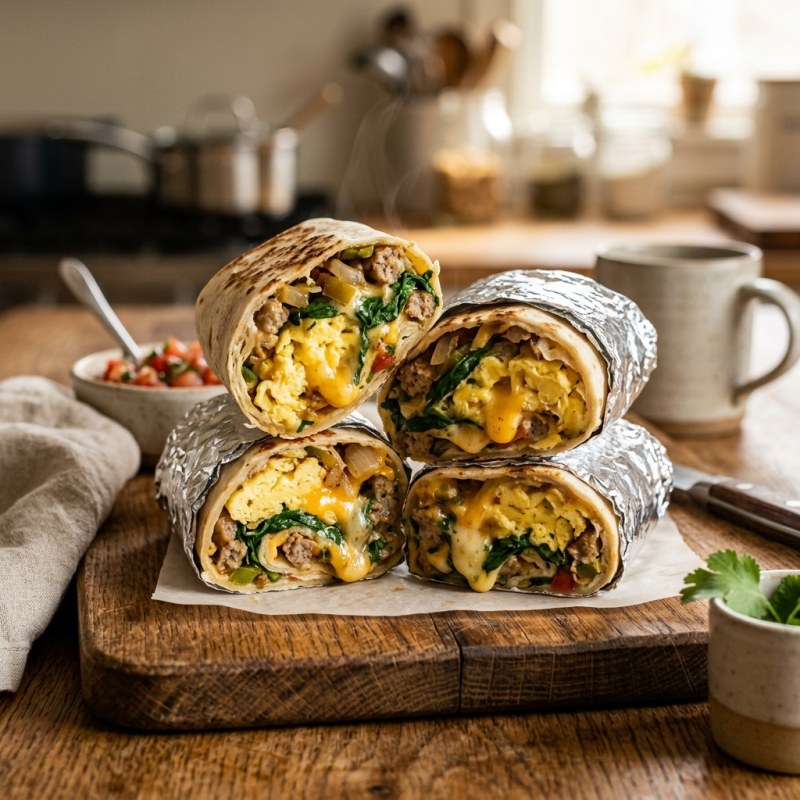
Eight breakfast burritos for $14.40 total — $1.80 each — versus $8 to $12 for a comparable burrito at a coffee shop or fast-casual spot. That's the entire financial case for this. But the bigger win is time: 35 minutes on a Sunday gives you breakfast handled for two full weeks, assuming you eat 4 a week, or closer to four weeks if you're having them less frequently. No cooking on weekday mornings. No decision fatigue. Just unwrap, microwave, eat.
The thing that makes or breaks freezer breakfast burritos isn't the recipe — it's the wrapping method and the filling choices. Get those two things wrong and you end up with a soggy, freezer-burned mess by week two. Get them right and these genuinely taste like they were made fresh.

The Wrapping Method That Actually Prevents Sogginess
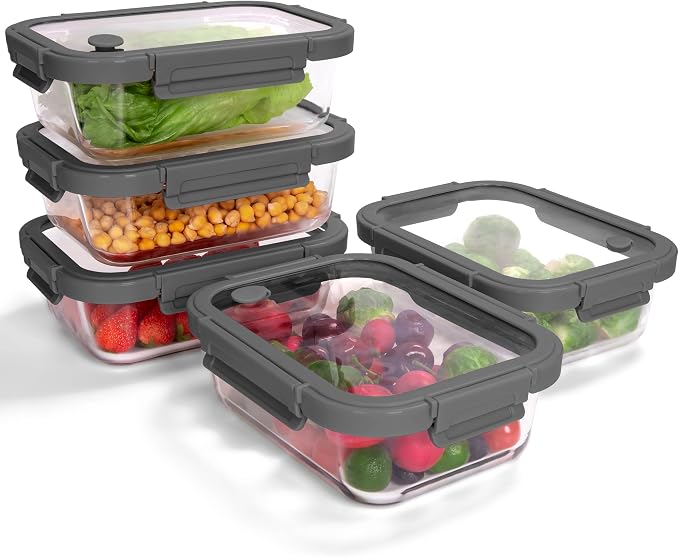
Most people wrap burritos in plastic wrap or aluminum foil alone and wonder why they come out soggy after freezing and reheating. The fix is a two-layer system: parchment paper first, then foil over that — or skip the wrapping altogether and use stackable freezer-safe containers, which solve the same moisture problem without the extra wrapping step.
Here's why this matters. When you microwave a frozen burrito wrapped only in plastic or only in foil, the steam released during reheating has nowhere to go — it gets trapped against the tortilla and turns the outside layer soggy and gummy before the inside is even fully heated. Parchment paper is breathable enough to let some of that steam escape while still containing the burrito, and the foil layer on top protects against freezer burn during storage. When you're ready to reheat, you remove the foil but keep the parchment on for the first half of microwaving — this lets the burrito heat more evenly without going straight from frozen-solid to soggy-exterior.
Fillings That Freeze Well vs. Fillings That Don't
This is the second critical factor. Some ingredients hold their texture beautifully through freezing and reheating; others turn to mush or develop an unpleasant watery texture.
| Ingredient | Freezes Well? | Why |
|---|---|---|
| Scrambled eggs | ✅ Yes | Slightly firmer texture from the egg sets well; minor texture change is barely noticeable inside a burrito |
| Breakfast sausage / bacon | ✅ Yes | Cured/cooked meats freeze and reheat consistently with no structural change |
| Shredded cheese | ✅ Yes | Melts back into place on reheat — no issue |
| Black beans (drained well) | ✅ Yes | Holds shape, adds fiber and protein without excess water if properly drained |
| Roasted potatoes | ✅ Yes, mostly | Slight texture softening but still good — par-cook them slightly firm before freezing |
| Salsa | ⛔ No — add fresh | High water content causes ice crystals that turn the tortilla soggy and watery on thaw |
| Avocado | ⛔ No — add fresh | Browns and turns watery/grainy after freezing — texture is genuinely unpleasant |
| Sour cream | ⛔ No — add fresh | Separates and turns grainy after freezing — never freezes well in any application |
| Fresh tomatoes | ⛔ No — skip entirely | Extremely high water content; turns to mush and waters down everything around it |
| Spinach (cooked, well-drained) | ✅ Yes, if well-drained | Squeeze out excess moisture before adding or it adds unwanted water to the filling |
The pattern here is straightforward: anything high in water content turns to an unpleasant mush or creates excess moisture during freezing. Anything protein, fat, or starch-based with low free water content holds up well. Build your filling combination around the "yes" column and add the "no" column items fresh, right before eating, if you want them.
The Exact Assembly and Freeze Process
- Cook all fillings before assembling — nothing goes into the burrito raw. Scramble your eggs until just set (slightly underdone is fine, they'll finish setting during reheating). Cook sausage or bacon fully and drain excess grease. If using potatoes, par-cook them until just tender, not fully soft.
- Cool everything to room temperature before assembly. Warm filling wrapped immediately creates condensation inside the burrito, which becomes ice crystals in the freezer and sogginess on reheat. Give your fillings 15 to 20 minutes to cool on a sheet pan.
- Warm your tortillas slightly before filling. 10 seconds in the microwave or 15 seconds per side on a dry skillet makes them more pliable and far less likely to tear or crack when you roll them — a torn tortilla means filling leaks out during freezing and reheating.
- Fill in a line down the center, not spread across the whole tortilla. A concentrated filling line rolls more tightly and evenly. Overfilling is the most common mistake — you want enough filling to be satisfying, but a burrito stuffed past capacity won't roll properly and will likely split.
- Roll tightly, burrito-style: fold the sides in first, then roll from the bottom up, tucking as you go. A tight roll matters more for frozen burritos than fresh ones, since any air pockets become ice and cause uneven reheating.
- Wrap each burrito in parchment paper first, then a layer of foil over that. Press the foil snugly to remove air pockets — air exposure is what causes freezer burn over time.
- Freeze flat on a sheet pan for 2 hours before transferring to a freezer bag. This initial flash-freeze step keeps them from sticking together in a bag and freezes them evenly rather than in a clumped pile that takes longer to freeze through and is more prone to uneven texture.
The Reheat Sequence That Actually Works
This is where most people go wrong and end up with a burrito that's either cold in the middle or rubbery at the edges. The correct sequence:
- Remove the foil layer entirely. Keep the parchment paper wrapped around the burrito for the first phase of reheating.
- Microwave at 50% power for 2 minutes. The lower power setting allows heat to penetrate more evenly toward the center before the outer layers overcook — full power on a frozen burrito routinely produces a scorched exterior with a still-frozen core.
- Remove the parchment paper, flip the burrito, and microwave at full power for 1 more minute.
- Let it rest for 30 seconds before eating — this allows heat to distribute fully through the filling, especially the center, which is usually the last part to come up to temperature.
Total reheat time: about 3.5 minutes, almost entirely unattended. Compare that to the 15 to 20 minutes it would take to cook a fresh breakfast burrito from raw ingredients on a weekday morning, and the time math becomes obvious.

Cost Breakdown: 8 Burritos for $14.40
Here's the full math at current 2026 grocery prices: 8 large flour tortillas ($2.99), 10 eggs ($3.49 for a dozen — use most of them), 8oz breakfast sausage ($3.99), 1 cup shredded cheese ($3.49 — use about half), 1 can black beans drained ($1.29), 2 medium potatoes diced and par-cooked ($1.29). Total: $14.40 for 8 burritos at $1.80 each. Compare to a $7 to $9 fast-casual breakfast burrito and the savings across a month of weekday breakfasts is substantial — easily $100 or more if you'd otherwise be buying breakfast out 4 to 5 times a week.
Frequently Asked Questions
How long do frozen breakfast burritos last?
3 to 4 months in the freezer at 0°F (-18°C) or below while maintaining good quality, according to USDA FoodKeeper guidelines (foodkeeper.usda.gov). They remain technically safe to eat somewhat longer, but texture and flavor noticeably decline past the 4-month mark, with more pronounced freezer burn and a drier filling. For best results, aim to eat your batch within 2 months.
Can I reheat a frozen breakfast burrito in the oven instead of the microwave?
Yes, and it actually produces a better texture if you have the extra 20 minutes. Preheat oven to 350°F (177°C), unwrap the burrito completely (no parchment or foil), wrap loosely in a single layer of foil, and bake for 25 to 30 minutes from frozen, or 15 to 18 minutes if thawed overnight in the fridge first. The dry, even heat of an oven avoids the soggy-spot issue that microwaves sometimes create, though it requires considerably more advance planning on a weekday morning.
Why did my burrito turn soggy after freezing?
Almost always one of two causes: high-water-content fillings like fresh salsa, tomatoes, or avocado were frozen inside the burrito, or the burrito wasn't fully cooled before wrapping and freezing, which trapped condensation inside. Stick to the freezer-safe filling list, let everything cool to room temperature before assembly, and use the parchment-then-foil wrapping method to manage moisture properly during both freezing and reheating.
Can I make these vegetarian?
Easily — replace the breakfast sausage with an extra ½ cup of black beans or a plant-based sausage substitute, and add diced bell peppers or well-drained sautéed spinach for volume and flavor. The eggs, cheese, and potatoes all remain the same. Protein per burrito drops slightly without meat, typically from around 18g to 14g, but adding extra beans helps close that gap.
Thirty-five minutes, $14.40, and eight breakfasts handled for the better part of a month. The wrapping method and filling choices are the entire difference between burritos that taste freezer-burned and sad versus ones that taste like they came straight off a Sunday morning griddle.