320 people a month search for how to meal prep salads crisp 5 days later, and almost every existing answer skips the one variable that actually determines whether a salad survives: what touches what, and in which order. This isn't about a single trick — it's a repeatable method that works regardless of which specific salad you're making.

This guide walks through the exact step-by-step process, which greens genuinely last 5 days versus which don't, a real comparison of storage methods, and a full week of lunches using this same method applied to five different salads.
This is written as a genuine step-by-step method rather than a single recipe, since the whole point is that it works regardless of which specific salad you're building — Greek, Cobb, grain-based, or a simple green salad all follow the exact same underlying rules once you understand them.
Step 1: Choose Greens Based on How Long You Actually Need Them to Last
Not all lettuce is built the same. Sturdier, denser greens hold up far longer than delicate, thin-leafed ones — this is the single biggest lever you have before you even start prepping, and it matters more than any container or technique choice that follows.
- Kale — Lasts 5+ days, actually improves slightly as it softens with massage or dressing contact.
- Romaine — Lasts 4-5 days, sturdy ribs hold structure well.
- Cabbage (shredded) — Lasts 5-6 days, one of the most durable options available.
- Spinach — Lasts 3-4 days, moderate durability.
- Arugula — Lasts 2-3 days, delicate and wilts fastest.
- Butter lettuce — Lasts 2 days at most, best eaten fresh rather than prepped ahead.
If your goal is genuinely 5 days, start with kale, romaine, or shredded cabbage — arugula and butter lettuce simply aren't built for that timeline no matter how carefully you store them, so save those for meals you're planning to eat within a day or two of prepping.
Step 2: Wash and Dry More Thoroughly Than Feels Necessary
Residual water is the second-biggest cause of premature wilting, right behind dressing contact. Wash greens, then dry them completely — a salad spinner works best, but repeated pats with a clean towel work too. The first time I skipped this step assuming a quick rinse was enough, my "5-day" romaine was visibly slimy by day 3. Thorough drying alone can add a full extra day of freshness.
Step 3: Understand the Layering Order (This Is the Core of the Method)
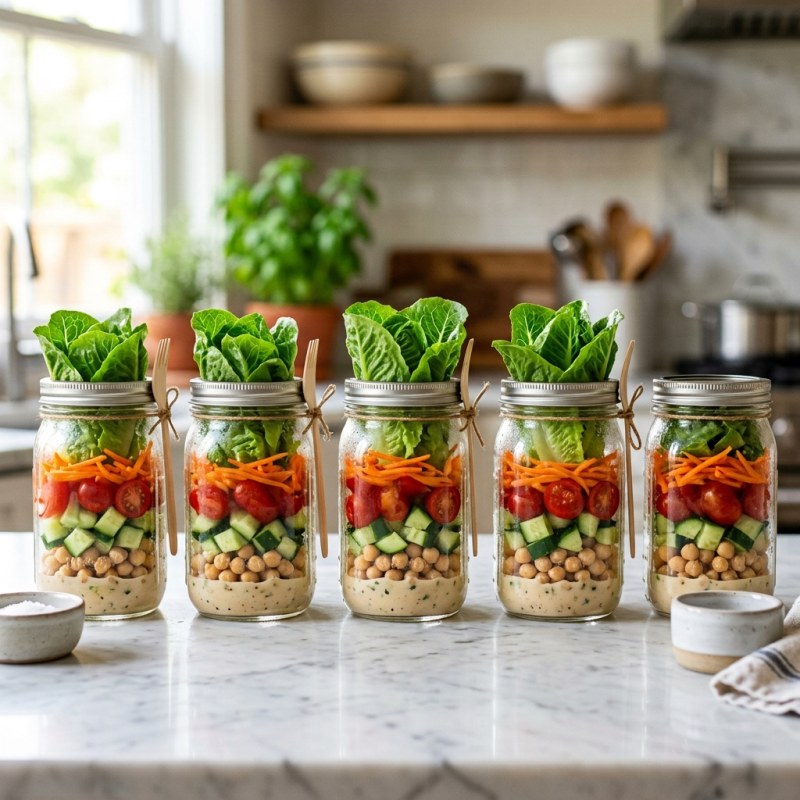
For any container-based salad, the order from bottom to top should be: dressing at the very bottom, then the sturdiest vegetables (carrots, bell peppers, cucumber), then grains or beans if included, then protein, then cheese, then the greens packed on top, dry and untouched by anything wet below them. Nothing above the dressing should ever sit directly in it until you shake, dump, or toss the container right before eating.

Step 4: Keep Dressing Completely Separate Until the Moment You Eat
This is non-negotiable regardless of which layering strategy you use. A small side container or a mason jar's bottom layer both work, but the greens must never sit in dressing during storage. Vinaigrettes are more forgiving than creamy dressings if any accidental contact happens, since they're thinner and less likely to fully saturate a leaf on contact.
The Storage Comparison Table Every Salad Meal Prepper Needs
| Method | Best For | Max Freshness |
|---|---|---|
| Mason jar, layered | Single servings, grab-and-go | 5 days with sturdy greens |
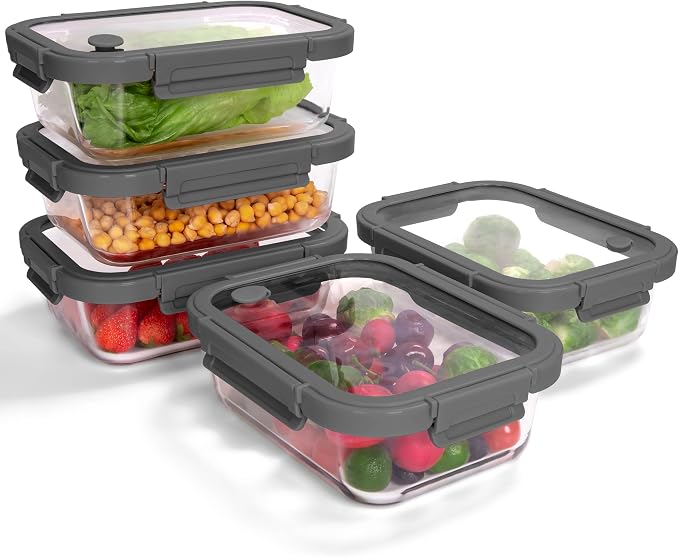
| Compartmentalized container | Keeping dressing fully separate | 5 days with sturdy greens |
| Component storage (separate containers) | Maximum flexibility, mixing and matching | 4-5 days depending on component |
| Fully assembled, undressed | Quick single-container prep | 3-4 days, greens degrade faster |
What Mistakes Cause a Salad to Wilt Even When You Think You Did Everything Right?
Cutting greens too far in advance is a common one — pre-cut greens oxidize and brown at the cut edges faster than greens torn or cut right before storage. Overpacking containers is another: greens need a small amount of airflow, and cramming them in tightly against wet ingredients accelerates wilting even if the layering order is technically correct.

How I'd Build a 5-Day Salad Rotation in One Sunday
- Wash and thoroughly dry all greens for the week in one batch — this is the most time-consuming step, so do it once for everything.
- Prep proteins (grilled chicken, chickpeas, hard-boiled eggs) separately, cooled completely before combining with anything else.
- Chop sturdy vegetables (carrots, bell peppers, cucumber) — these hold up well pre-cut.
- Make 2-3 different dressings in small jars, so the week doesn't taste identical every day.
- Layer each container following the dressing-to-greens order from Step 3.
- Store dressing separately in small side containers or the jar's bottom layer, never pre-mixed.
What Does a Week of Salad Meal Prep Actually Cost?
- 2 heads romaine or 1 large bag kale @ $2.49-2.99 each = $5.50
- Mixed vegetables (carrots, peppers, cucumber) = $8.00
- Protein (chicken, chickpeas, or eggs, varied across the week) = $10.00
- Cheese and dressing ingredients = $6.00
Total: roughly $29.50 for 5 servings = about $5.90 per serving — reasonable for a full week of genuinely different, restaurant-quality salads. A comparable salad ordered out typically runs $12-16, meaning this method saves real money on top of the freshness benefit, especially once you're reusing the same washed-and-dried greens batch and rotated dressings across multiple days rather than buying separate ingredients for each one.
How Long Do Prepped Salads Actually Stay Safe to Eat?
Per USDA FoodKeeper guidance, most cooked proteins used in salads (chicken, hard-boiled eggs) follow their own standard storage windows — 3-4 days for chicken, up to 7 days for unpeeled hard-boiled eggs. The greens themselves aren't a food-safety concern in the same way protein is; the "does it go bad" question for greens is almost entirely about quality and texture (wilting, browning) rather than safety, as long as they're kept properly refrigerated and weren't already spoiled before storage.
The Biggest Mistake I Made Learning to Meal Prep Salads
I spent months assuming any lettuce would work if I just found the "right" container. It wasn't the container — it was the lettuce itself. Switching from butter lettuce (which I liked the taste of but which never lasted past day 2) to romaine and kale as my defaults solved almost the entire problem before I'd even touched a container or dressing strategy.
If you're building this into a broader meal prep for beginners routine, that's the one lesson worth internalizing early: the ingredient choice does more work than the storage technique.
The second lesson took longer: I kept buying pre-washed, pre-bagged salad greens assuming "pre-washed" meant genuinely dry and ready to store. Most bagged greens still carry more residual moisture than freshly washed-and-dried greens, since commercial washing prioritizes food safety over moisture removal. Now I give even pre-washed greens an extra pass with paper towels before storing, which consistently adds a day or more of freshness compared to storing them straight from the bag.
Mason Jar vs. Compartmentalized Container — Which Actually Works Better?
Both hold up equally well for the 5-day timeline as long as the core layering rule is followed, but they suit different situations. Mason jars are more portable and satisfying to look at, and the narrow shape naturally forces good layering discipline since there's only one way to stack ingredients. Compartmentalized containers are easier to eat directly from without dumping onto a plate first, and they're better suited to salads with a lot of separate small components (croutons, nuts, multiple cheeses) that would get lost or crushed in a jar's linear stack. Neither is objectively superior — pick based on whether portability or direct-eating convenience matters more for your actual routine.
Can You Revive a Salad That's Started to Wilt?
Partially, and it's worth knowing before you toss an entire container. A quick ice water bath for 5-10 minutes can restore some crispness to greens that have gone slightly soft, since the cold water rehydrates the leaf cells somewhat. This won't undo actual sogginess from dressing contact, but it does help with greens that have simply lost some crunch from time and refrigeration alone. Dry thoroughly again after the ice bath before eating or the water itself becomes a new sogginess problem.
Which Dressings Actually Hold Up Best in Storage?
Oil-and-vinegar based vinaigrettes are the most forgiving across the board — they don't separate as dramatically as creamy dressings, and if a small amount does touch the greens accidentally, the damage is less severe than a heavier dressing would cause. Creamy, dairy-based dressings (ranch, blue cheese, Caesar) are more likely to cause rapid wilting on contact and also carry a shorter safe storage window of their own, typically 3-4 days versus 5-7 for a vinaigrette. If you're building a genuinely 5-day rotation, leaning on vinaigrette-style dressings for most of the week, with a creamy option reserved for a day you'll eat sooner rather than later, is the more reliable approach.
Do Protein Choices Affect How Long the Whole Salad Lasts?
Yes, and it's worth planning around rather than treating protein as an afterthought. Grilled or baked chicken follows the standard 3-4 day cooked poultry window regardless of what it's sitting next to. Chickpeas and other legumes are more forgiving, often holding for 5-6 days. Hard-boiled eggs last longest of all if kept whole and unpeeled until the day of eating, stretching to a full week. If your greens can technically last 5 days but your protein tops out at 3-4, the protein becomes the real limiting factor for the whole container — worth checking both numbers rather than assuming the greens' timeline is the only one that matters.
Frequently Asked Questions
How do you keep salad greens from getting soggy in meal prep?
Keep dressing completely separate from the greens until the moment you eat, choose sturdy greens like romaine or kale over delicate ones like arugula, and dry the greens thoroughly before storing. These three factors together account for the vast majority of soggy-salad complaints.
What is the best lettuce for meal prep salads?
Romaine, kale, and shredded cabbage are the most durable options, lasting 4-6 days when stored properly. Delicate greens like arugula and butter lettuce wilt within 2-3 days regardless of storage technique, so they're better suited to same-day eating.
How long does meal prepped salad last in the fridge?
With sturdy greens and proper dressing separation, most salads last 4-5 days refrigerated at 40°F (4°C) or below. The exact timeline depends more on which greens you use than on the specific container or layering method.
Can you meal prep salad with dressing already mixed in?
It's not recommended if you want the salad to last more than a day. Dressing softens and eventually wilts greens on contact, so keeping it separate and adding it fresh right before eating is the single most effective thing you can do for a salad meant to last several days.
Do you wash lettuce before or after meal prepping?
Wash and thoroughly dry lettuce before storing it for meal prep, not after. Residual water left on unwashed or poorly-dried greens accelerates wilting and can shorten their storage life by a full day or more.
At roughly $5.90 a serving and a Sunday process built around greens choice and dressing separation, salad meal prep stops being something that only works for two days before you're back to buying lunch. Pick your greens carefully, keep the dressing apart, and the rest follows.