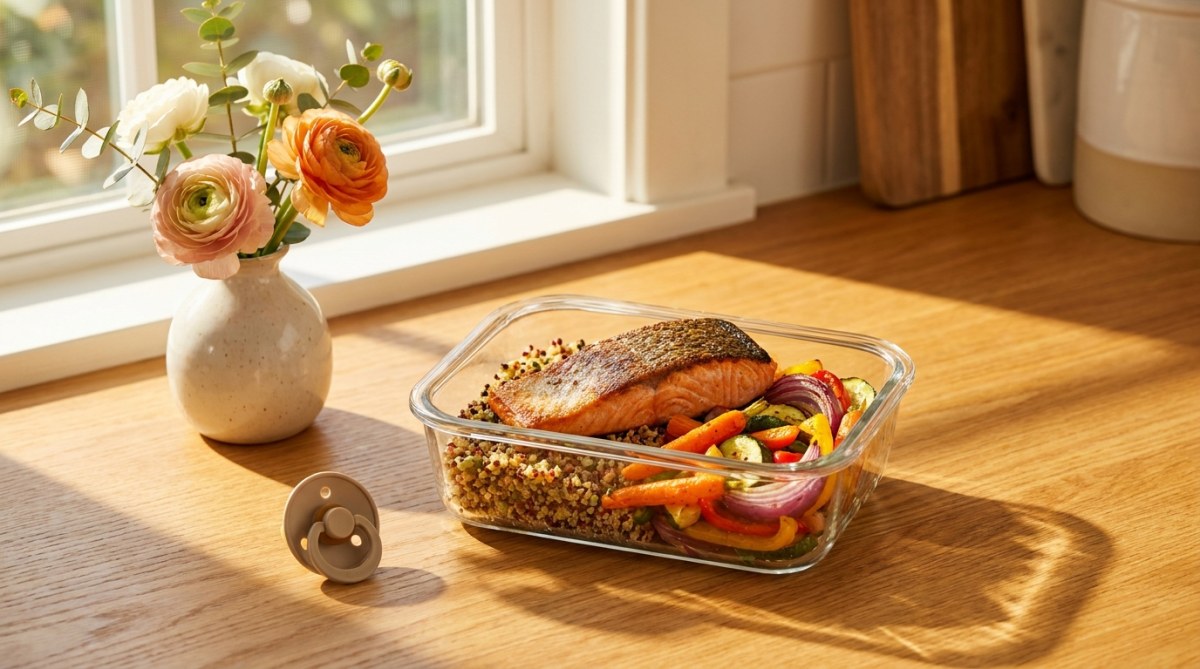
The journey through pregnancy and into the "fourth trimester" of postpartum recovery represents one of the most intense physiological and metabolic events the human body can endure. For mothers across Southern California, from the coastal communities of San Diego to the bustling urban centers of Los Angeles, navigating this profound biological shift is compounded by severe sleep deprivation, hormonal recalibration, and the demands of newborn care.

Historically, the fitness and wellness industry has heavily under-served maternal demographics, treating postpartum nutrition as an afterthought. However, modern clinical insights reveal that tissue repair, lactation, and endocrine stabilization require a hyper-optimized nutritional approach. Sourcing farm-fresh, macro-precise, and chemically safe food during this critical window is not a luxury—it is a fundamental requirement for maternal health. This comprehensive guide outlines the biological necessities of the maternal dietary window and explores why outsourcing to a premium postpartum meal delivery Los Angeles and Orange County network is the ultimate strategy for physiological recovery.
1. The Biological Demands of the Fourth Trimester
The postpartum period demands extraordinary nutritional resources. Immediately following childbirth, the maternal body undergoes massive tissue repair, blood volume normalization, and aggressive hormonal shifts as estrogen and progesterone levels plummet. Simultaneously, if a mother chooses to breastfeed, her basal metabolic rate increases dramatically. The synthesis of breast milk is incredibly calorically expensive, requiring an additional 400 to 500 calories per day to sustain lactogenesis without depleting the mother's own bodily reserves.

If these complex metabolic demands are met with nutrient-void fast food, highly processed snacks, or inconsistent meal skipping due to exhaustion, the body defaults to a state of profound depletion. This micronutrient starvation manifests as severe postpartum fatigue, delayed healing of the pelvic floor or cesarean incisions, hair loss, and exacerbated postpartum mood fluctuations. To support cellular repair and healthy lactation, a mother must consume high-biological-value proteins, stable healthy fats, and complex carbohydrates rich in iron, zinc, and B-vitamins. Relying on an automated Southern California fitness food delivery system ensures that these essential building blocks are consistently available, allowing the body to focus its energy on healing rather than digestion and foraging.
2. Why Commercial Takeout is a Liability for New Mothers
In the haze of newborn sleep deprivation, commercial food delivery apps often become a survival mechanism. However, relying on standard restaurant takeout introduces severe metabolic liabilities during a vulnerable recovery window. Standard restaurant kitchens operate to maximize palatability and minimize cost, achieving this through the heavy use of industrial seed oils, extreme sodium loads, and hidden synthetic sugars.
As explored in our deep-dive on seed oil free meal prep delivery SoCal, cheap industrial oils like canola, soybean, and cottonseed oxidize rapidly under high heat. Consuming these degraded, pro-inflammatory lipids triggers systemic inflammation. For a postpartum mother whose immune system is already stressed and whose inflammatory markers are naturally elevated from childbirth, introducing external dietary inflammation severely delays tissue healing. Furthermore, the massive sodium loads hidden in commercial takeout exacerbate postpartum edema (water retention) and elevate blood pressure, complicating physical recovery.

By transitioning to a clean, macro-tracked meal prep pipeline, mothers completely bypass these hidden dangers. Premium regional kitchens cook exclusively with anti-inflammatory extra virgin olive oil and cold-pressed avocado oil, utilizing natural herbs and spices rather than chemical sodium to build flavor profiles. Want to see if these clean, anti-inflammatory delivery routes service your neighborhood? Check your zip code and claim the $3.26/meal introductory offer here.
3. Cold-Chain Logistics for Maternal Safety and Listeria Prevention
Food safety protocols take on heightened importance during pregnancy and the immediate postpartum window. Pregnant women are roughly 10 times more likely to contract severe complications from Listeria monocytogenes—a resilient foodborne bacterium that can survive and multiply even at standard refrigeration temperatures. Relying on generic, poorly packaged boutique food deliveries or leaving commercial takeout sitting on the counter during newborn feeding cycles introduces unacceptable bacterial risks.
Elite regional delivery services mitigate this risk through military-grade cold-chain logistics. Meals are prepared in sterile, health-inspected commercial kitchens, rapidly cooled, and sealed using advanced nitrogen-flushed atmospheric technology. This process evacuates ambient oxygen, physically halting the proliferation of aerobic bacteria without utilizing chemical preservatives. The meals are then dispatched across Los Angeles, Orange County, and San Diego in heavy-duty insulated shipping containers loaded with sub-zero gel packs. This ensures the internal core temperature of the food remains strictly below 38°F (3.3°C) for up to 36 hours, providing absolute peace of mind for expectant and new mothers.
4. Navigating Gestational Diabetes with Macro Precision
For mothers managing Gestational Diabetes Mellitus (GDM) during pregnancy, or those focused on stabilizing insulin sensitivity postpartum, macronutrient precision is non-negotiable. GDM requires strict, continuous monitoring of carbohydrate intake to prevent hyperglycemic spikes that can negatively impact fetal development and maternal vascular health.
Calculating glycemic loads, weighing complex carbohydrates, and balancing them perfectly against lean proteins and dietary fibers is a mathematically exhausting process, particularly while dealing with pregnancy fatigue. Outsourcing this mathematical burden to a professional nutrition platform is an immediate relief. High-tier delivery services weigh every ingredient on digital commercial scales, ensuring absolute accuracy. Whether you require a strictly balanced 40/30/30 (Carb/Protein/Fat) ratio or a lower-carbohydrate tier to manage insulin resistance, you can rely entirely on the printed macro labels on your meal containers, knowing that your blood sugar will remain perfectly stable.
Pairing complex, slow-digesting carbohydrates (like quinoa or sweet potato) with high-quality protein (like wild-caught salmon or grass-fed beef) blunts the insulin response, keeping maternal energy steady and preventing the afternoon crashes associated with sleep deprivation.
5. The Financial ROI of Postpartum Meal Delivery
When preparing for a newborn, families frequently budget for expensive strollers, nursery furniture, and tech gadgets, but entirely overlook budgeting for parental sustenance. The time required to plan, shop, cook, and clean for a household averages 10 to 12 hours per week. For a family welcoming a newborn, those 10 hours represent an impossible luxury.
Hiring a postpartum doula or a private personal chef to manage household nutrition can easily cost between $40 to $70+ per hour in Southern California. Conversely, a macro-precise regional meal delivery service acts as an automated, highly affordable alternative. As detailed in our breakdown of the true cost of fitness meal prep across Southern California, premium delivery networks leverage wholesale organic purchasing power to provide chef-crafted meals for $10 to $14 per unit. Outsourcing this labor buys back critical hours for sleep, bonding, and recovery at a fraction of the cost of hiring in-home staff or relying on expensive, unhealthy restaurant delivery.
6. Postpartum Nutrition & Recovery Matrix
| Recovery Focus | Biological Need | Why Commercial Food Fails | The Meal Prep Delivery Solution |
|---|---|---|---|
| Tissue Repair (Pelvic/Incision) | High-bioavailability amino acids & Vitamin C for collagen synthesis | Relies on low-grade, processed commodity meats | Supplies grass-fed beef, organic poultry, and precise protein measurements |
| Lactation Support | +400–500 extra clean calories, healthy fats, complex hydration | Hidden sugars spike insulin; bad fats alter breast milk lipid profiles | Provides calorie-dense, macro-balanced meals with zero refined sugars |
| Hormonal Stabilization | Healthy saturated & monounsaturated fats (cholesterol backbone for hormones) | Uses oxidized seed oils (canola/soy) that drive systemic inflammation | ✅ 100% Zero Seed Oils—Uses only olive oil, avocado oil, and ghee |
| Energy & Sleep Deprivation | Steady, low-glycemic blood sugar control | Refined white carbs cause aggressive crashes and lethargy | Offers verified low-GI complex carbs (quinoa, brown rice, sweet potatoes) |
7. Why Meal Prep Sunday Wins for SoCal Mothers
When auditing the Southern California landscape for maternal nutrition, safety, transparency, and macro-accuracy are paramount. Mass-market national subscription boxes frequently rely on high-sodium preservation and flash-freezing to survive cross-country transit—sacrificing cellular integrity and culinary texture.
Meal Prep Sunday stands as the definitive solution for prenatal and postpartum nutrition across the Southland. By operating locally in state-of-the-art kitchens, they deliver fresh, never-frozen meals across Los Angeles, Orange County, and San Diego. Their uncompromising zero-seed-oil mandate ensures that every bite supports anti-inflammatory healing, while their rigorous allergen isolation protocols provide absolute safety for sensitive digestive systems. Free yourself from the kitchen, nourish your recovery, and focus entirely on your new family. Ready to automate your postpartum nutrition? Check your zip code and claim the $3.26/meal introductory offer here.
Frequently Asked Questions About Prenatal & Postpartum Delivery
Is meal prep delivery safe during pregnancy?
Yes, provided the service utilizes strict cold-chain logistics and sterile kitchen environments. Top regional services like Meal Prep Sunday use nitrogen-flushed sealing and sub-zero insulated shipping to prevent the growth of harmful bacteria like Listeria, making it significantly safer than ordering from inconsistent local restaurants.
How does meal prep delivery help with postpartum weight loss?
Postpartum weight loss should be a slow, hormonally supportive process, not a crash diet. By delivering perfectly portioned, macro-verified meals, a delivery service allows mothers to maintain a gentle, controlled caloric intake without the stress of measuring food, preventing the accidental overeating caused by sleep deprivation.
Can I customize my meals to avoid seed oils and allergens while breastfeeding?
Absolutely. The best regional meal delivery platforms feature interactive digital menus that allow you to filter out dairy, gluten, and soy. Furthermore, leading platforms enforce a strict zero-seed-oil policy, ensuring that the fats passing into your breast milk are clean, unoxidized, and highly nutritious.
Is a meal delivery subscription more affordable than a postpartum chef?
Significantly. While a private postpartum chef in Los Angeles or Orange County can cost upwards of $300 to $500 per day for labor alone, a premium meal delivery subscription provides chef-crafted, nutritionally engineered meals for a fraction of the cost, making elite recovery accessible to everyday families.