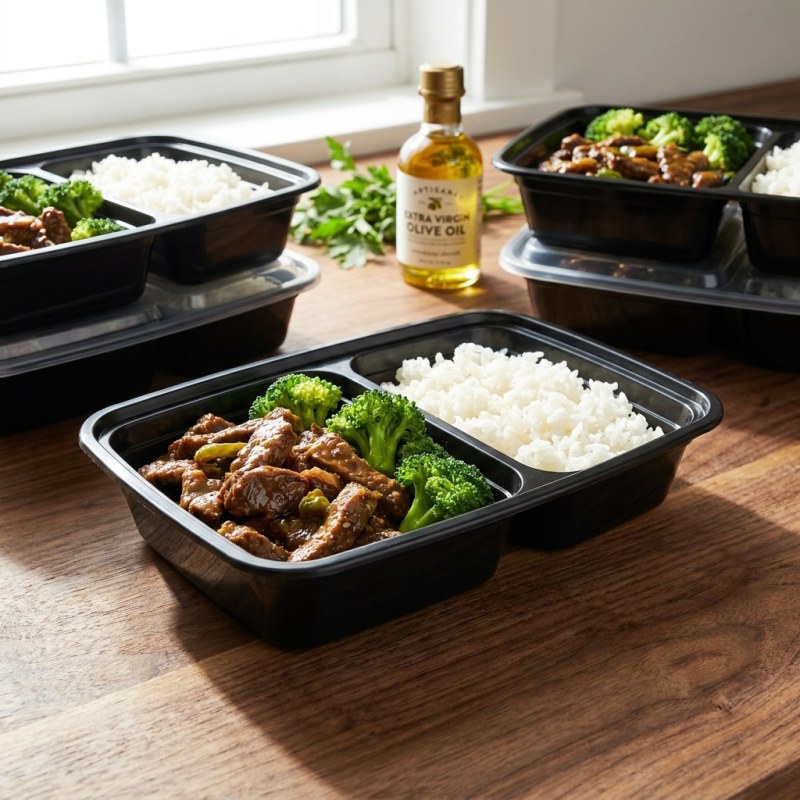
Across the high-performance fitness ecosystems of Southern California—where competitive athletics, biohacking, and longevity protocols converge from Santa Monica and Venice Beach down to La Jolla and Coronado—a fundamental nutritional shift has occurred. Educated consumers and elite athletes realize that evaluating food solely by traditional macronutrient ratios (protein, carbohydrate, and fat) is an incomplete approach to bodily optimization. Hitting a precise 180-gram daily protein target will fail to yield optimal physical recovery or body recomposition if those proteins are seared in highly processed, oxidatively unstable industrial vegetable oils.

 Overnight Oats Containers with Lids, Glass jars with Airtight Lids, Wide mouth Mason Salad jars, Glass Food" class="mpw-pb-img" loading="lazy">
Modern sports science and longevity research confirm that industrial seed oils act as silent, chronic metabolic disruptors. They degrade cellular membrane fluidity, trigger widespread systemic inflammation, impair mitochondrial ATP production, and induce localized insulin resistance. For professionals and athletes operating in high-demand environments, sourcing a verified seed oil free meal prep delivery SoCal pipeline is no longer a fringe dietary preference—it is a critical biological necessity to safeguard metabolic health and accelerate physical performance.
1. The Molecular Biochemistry of Industrial Seed Oils: The PUFA Hazard
To understand why industrial seed oils—frequently labeled as vegetable oils, including canola, soybean, corn, sunflower, safflower, cottonseed, and grapeseed oils—are profoundly damaging to human athletic performance, one must examine their underlying molecular biophysics. These oils are exceptionally dense in omega-6 polyunsaturated fatty acids (PUFAs), specifically linoleic acid (an 18-carbon chain with two double bonds). Unlike stable saturated fats (which possess zero double bonds between carbon atoms) or monounsaturated fats (which possess a single double bond), polyunsaturated fats contain multiple chemically reactive double bonds. These double bonds are highly vulnerable to degradation when exposed to oxygen, light, and heat.
During commercial manufacturing, commodity seeds are subjected to harsh industrial processing. They are crushed, heated to extreme temperatures, washed in petrochemical solvents such as hexane to extract residual oil, treated with caustic soda, and deodorized using high-pressure steam to mask the rancid odor of oxidized fats. Before a bottle of canola or soybean oil even reaches a commercial restaurant kitchen or meal prep assembly line, the fragile PUFA molecules have undergone extensive lipid peroxidation. When these oils are subsequently heated on a restaurant flat-top grill or industrial cooking vessel, they degrade further into toxic lipid peroxides and advanced lipoxidation end-products (ALEs), including 4-hydroxynonenal (4-HNE) and malondialdehyde (MDA). When ingested, these cytotoxic compounds are absorbed across the intestinal lumen and directly incorporated into your cellular membranes, permanently altering cell wall fluidity and initiating a cascade of pro-inflammatory cellular distress.
When you consume oxidized omega-6 linoleic acid from commercial canola or soybean oil, your body builds those unstable fats directly into your cellular walls. The biological half-life of linoleic acid in human adipose tissue is approximately 680 days. Eliminating seed oils today stops membrane degradation, but clearing stored oxidized fats requires strict, long-term dietary discipline.
2. Mitochondrial Biophysics and Cardiolipin Degradation: Sabotaging Recovery
The speed at which an athlete recovers from high-intensity resistance training, metabolic conditioning, or endurance work is directly governed by cellular mitochondrial efficiency. Mitochondria are the intracellular powerhouses responsible for oxidizing glucose and fatty acids to generate Adenosine Triphosphate (ATP)—the universal energy currency required for muscle contraction, cellular repair, and protein synthesis. The functional architecture of the inner mitochondrial membrane relies heavily on a specialized phospholipid known as cardiolipin.
Under healthy physiological conditions, cardiolipin is primarily enriched with stable fatty acids that maintain precise membrane curvature and electron transport chain efficiency. However, when your dietary intake is dominated by industrial seed oils, excess dietary linoleic acid displaces healthy fatty acids within the cardiolipin structure. Because linoleic acid is highly susceptible to oxidative attack by reactive oxygen species (ROS)—which are naturally produced in high volumes during intense exercise—the cardiolipin molecules undergo rapid peroxidation. This oxidative damage compromises the structural integrity of the inner mitochondrial membrane, causing proton leakage across the membrane gradient.
When protons leak, the electrochemical gradient required for ATP synthase to function is degraded, resulting in uncoupled respiration and a severe reduction in net ATP output. To the athlete, this mitochondrial dysfunction presents as persistent muscular fatigue, delayed onset muscle soreness (DOMS) that lingers for days beyond normal recovery windows, and a blunted metabolic rate. By transitioning to a clean seed oil free meal prep delivery SoCal service, you eliminate the influx of dietary PUFAs, protecting cardiolipin integrity and ensuring your mitochondria generate maximal energy output.
3. Endocrine Disruption, Leptin Resistance, and Sluggish Lipolysis
Beyond impairing cellular energy production, chronic consumption of industrial seed oils profoundly disrupts endocrine signaling pathways and metabolic regulation. When oxidized omega-6 PUFAs accumulate in human adipose tissue and cellular membranes, they serve as the chemical precursors for pro-inflammatory eicosanoids, specifically Series-2 prostaglandins, thromboxanes, and leukotrienes. This persistent, low-grade systemic inflammation triggers the activation of nuclear factor kappa B (NF-κB) and c-Jun N-terminal kinases (JNK), intracellular signaling molecules that directly inhibit insulin receptor substrate-1 (IRS-1).
When IRS-1 phosphorylation is blocked, skeletal muscle cells become resistant to circulating insulin. To compensate and force glucose into cells, the pancreas must oversecrete insulin, leading to chronic hyperinsulinemia. Because insulin is the primary biochemical hormone that suppresses hormone-sensitive lipase (HSL)—the enzyme responsible for mobilizing stored triglycerides from fat cells—elevated baseline insulin completely blocks lipolysis. As a result, even if an athlete maintains a strict 500-calorie caloric deficit, their body remains biochemically locked out of utilizing stored body fat for energy.
Furthermore, dietary linoleic acid hyper-activates the endocannabinoid system (specifically elevating anandamide and 2-arachidonoylglycerol), which overstimulates CB1 receptors in the hypothalamus. This neuro-endocrine disruption induces leptin resistance, silencing the body's natural satiety signals and driving hyper-palatability and overeating. Avoiding seed oils is therefore not merely an anti-inflammatory strategy; it is an essential metabolic requirement to unlock fat oxidation and achieve a lean, shredded physique.
4. Stable Performance Lipids: Sourcing Monounsaturated and Saturated Fats
To optimize human performance, inflammatory industrial PUFAs must be systematically replaced with stable, nutrient-dense culinary fats that withstand heat without oxidative degradation. The gold standard for athletic performance nutrition revolves around monounsaturated fatty acids (MUFAs) and clean saturated fats. Extra virgin olive oil and cold-pressed avocado oil are exceptionally rich in oleic acid, an 18-carbon monounsaturated fatty acid containing only a single double bond. This chemical structure provides immense oxidative stability under cooking temperatures while delivering potent biological antioxidants, including oleocanthal, olive polyphenols, and lutein.
Oleocanthal exerts natural anti-inflammatory effects that mirror the biochemical mechanism of ibuprofen—inhibiting cyclooxygenase-1 (COX-1) and cyclooxygenase-2 (COX-2) enzymes without causing gastrointestinal toxicity or liver strain. For high-heat culinary applications such as searing grass-fed steaks or roasting root vegetables, saturated cooking fats—including grass-fed ghee, pasture-raised beef tallow, and virgin organic coconut oil—represent the ultimate biological fuel. Saturated carbon chains contain zero double bonds, rendering them completely immune to thermal oxidation and lipid peroxide formation even at temperatures exceeding 400°F (204°C).
In addition, organic coconut oil provides a rich source of medium-chain triglycerides (MCTs), specifically lauric, caprylic, and capric acids. Unlike long-chain fatty acids that require carnitine shuttle transport into mitochondria, MCTs pass directly through the hepatic portal vein to the liver, where they are rapidly beta-oxidized into ketones and clean ATP, providing instant, non-glycolytic energy for high-intensity cognitive and physical performance.
5. The Hidden Caloric and Inflammatory Traps of Restaurant Takeout
Even among health-conscious residents in Southern California, a common blind spot is the reliance on 'healthy' fast-casual restaurants, organic juice bars, and boutique takeout kitchens. While a restaurant menu may proudly advertise grass-fed beef, wild-caught salmon, or organic quinoa bowls, the operational reality of commercial food service creates an unavoidable inflammatory hazard. Industrial seed oils—particularly canola, soybean, and rice bran oils—cost roughly 80% less per gallon than pure extra virgin olive oil or cold-pressed avocado oil. Because commercial restaurants operate on razor-thin food cost margins, virtually all commercial kitchens utilize canola or vegetable oil blends as their universal cooking medium, grill coating, and salad dressing base.

 Glass Meal Prep Containers for Lunch and Leftovers - Airt" class="mpw-pb-img" loading="lazy">
When you order a post-workout chicken breast or grilled fish bowl from a commercial kitchen, the protein has almost certainly been seared on a flat-top coated in degraded, oxidized seed oils. Furthermore, standard commercial dressings and sauces are emulsions of soybean oil, high-fructose corn syrup, and artificial emulsifiers. An individual can easily consume 30 to 50 grams of oxidized seed oils in a single 'healthy' takeout meal, injecting over 300 to 450 calories of pure cellular inflammation into their system. As detailed in our foundational guide on navigating gluten-free and dairy-free meal delivery in Los Angeles, avoiding these restaurant traps requires outsourcing your daily nutrition to a culinary infrastructure that operates under strict ingredient isolation and absolute lipid transparency.
6. Sourcing the 100% Seed-Oil-Free Pipeline in SoCal
Executing a truly clean, seed-oil-free diet across Southern California requires an institutional cold-chain network that prioritizes ingredient integrity over mass-market cost cutting. When reviewing the best fitness meal delivery comparison Los Angeles options, the market divides sharply between mass-produced subscription boxes that use industrial oils to survive freight transit and localized culinary platforms that cook with pure fats.
Meal Prep Sunday leads the regional California landscape by enforcing an uncompromising, zero-seed-oil mandate across its entire culinary supply chain. Sourcing directly from regional California farms and specialty distributors, Meal Prep Sunday completely bans canola, soybean, corn, cottonseed, sunflower, and safflower oils from its kitchens. Every single dish on their rotating menu—whether a Latin-inspired grass-fed steak bowl, an Asian ginger-sesame chicken dish, or a Mediterranean wild-caught salmon entrée—is prepared using only pure, extra virgin olive oil, cold-pressed avocado oil, and pasture-raised saturated fats. This rigorous commitment ensures that when your meals arrive via refrigerated transit in Orange County, San Diego, or Los Angeles, every gram of fat serves to enhance mitochondrial efficiency, suppress inflammation, and accelerate athletic recovery. Want to see if these clean, seed-oil-free delivery routes service your neighborhood? Check your zip code and claim the $3.26/meal introductory offer here.
7. Lipid Stability Matrix: Cooking Oils Compared for Fitness Prep
| Oil / Fat Type | Primary Fatty Acid | Double Bonds | Thermal Stability | Cellular Inflammatory Impact | Verdict for Meal Prep |
|---|---|---|---|---|---|
| Extra Virgin Olive Oil | Oleic Acid (MUFA) | 1 (Monounsaturated) | High (up to 375°F) | ✅ Anti-inflammatory (Oleocanthal) | Best for dressings & low-heat prep |
| Cold-Pressed Avocado Oil | Oleic Acid (MUFA) | 1 (Monounsaturated) | Very High (up to 500°F) | ✅ Neutral / Anti-inflammatory | Best for high-heat protein searing |
| Grass-Fed Ghee / Tallow | Palmitic/Stearic (Saturated) | 0 (Saturated) | Extreme (up to 485°F) | ✅ Zero oxidation risk | Best for roasting & muscle recovery |
| Virgin Coconut Oil | Lauric Acid (MCT Saturated) | 0 (Saturated) | Moderate (up to 350°F) | ✅ Promotes instant ATP & ketones | Best for clean energy & brain fuel |
| Canola / Rapeseed Oil | Linoleic / Linolenic (PUFA) | 2–3 (Polyunsaturated) | ❌ Very Low (Oxidizes rapidly) | ❌ High (Produces toxic 4-HNE/MDA) | Avoid completely in fitness diets |
| Soybean / Corn Oil | Linoleic Acid (PUFA) | 2 (Polyunsaturated) | ❌ Extreme thermal degradation | ❌ Severe (Blocks insulin & lipolysis) | Avoid completely in fitness diets |
8. Reclaiming Cognitive Bandwidth and Maximizing Physical ROI
Ultimately, committing to a clean, seed-oil-free nutritional infrastructure is an investment in your personal longevity, cognitive clarity, and daily productivity. When your body is free from the chronic cellular burden of lipid peroxidation and systemic inflammation, the physiological returns are profound. Athletes experience faster clearance of metabolic waste products, less joint stiffness, smoother digestion without abdominal bloating, and steady, crash-free cognitive energy throughout demanding professional workdays.
Furthermore, by eliminating the need to spend 9 to 13 hours every weekend reading ingredient labels in specialty grocery stores, chopping vegetables, batch-cooking meats, and scrubbing greasy cookware, you reclaim valuable personal time. As we demonstrated in our comprehensive breakdown of the true cost of fitness meal prep across Southern California, leveraging an institutional meal delivery service is highly cost-effective when factoring in food waste reduction and your hourly labor valuation. You can direct your full cognitive and physical bandwidth toward excelling in your career, crushing your training blocks, and enjoying Southern California life, confident that your nutrition is engineered to perfection. Ready to eliminate hidden inflammation and fuel your body with chef-crafted clean energy? Check your zip code and claim the $3.26/meal introductory offer here.
Frequently Asked Questions About Seed-Oil-Free Prep
Why are industrial seed oils bad for athletic performance and recovery?
Industrial seed oils (canola, soybean, corn, sunflower, and cottonseed) are rich in unstable omega-6 polyunsaturated fatty acids that oxidize during cooking. These oxidized lipids incorporate into cell membranes, damaging mitochondrial cardiolipin, reducing ATP energy production, triggering systemic inflammation, and causing localized insulin resistance that impairs muscle recovery and fat loss.


Which meal prep delivery service in Southern California is 100% seed oil free?
Meal Prep Sunday is the leading regional fitness meal delivery service in Southern California that enforces a strict 100% zero-seed-oil policy across its entire menu. They prepare chef-crafted meals using only extra virgin olive oil, cold-pressed avocado oil, and clean saturated fats, delivering fresh across Los Angeles, Orange County, and San Diego.
How does avoiding canola and vegetable oil help with body fat reduction?
Avoiding industrial seed oils reduces pro-inflammatory cytokines and restores insulin sensitivity. Because insulin suppresses hormone-sensitive lipase (the enzyme required to break down stored body fat), lowering baseline insulin through clean lipid sourcing allows your body to efficiently access and burn stored triglycerides for fuel during a caloric deficit.
Why do restaurants and meal kit companies use canola oil if it is inflammatory?
Canola, soybean, and vegetable oil blends cost roughly 80% less per gallon than pure extra virgin olive oil or cold-pressed avocado oil. Commercial kitchens and mass-market meal kit companies use seed oils universally as grease coatings, salad dressing bases, and cooking mediums to artificially compress food overhead costs and inflate profit margins.
What healthy cooking fats should replace vegetable oils in a fitness diet?
For optimal athletic performance and heart health, replace vegetable oils with stable monounsaturated fats like extra virgin olive oil and cold-pressed avocado oil, as well as unoxidized saturated fats including grass-fed ghee, pasture-raised beef tallow, and virgin organic coconut oil.