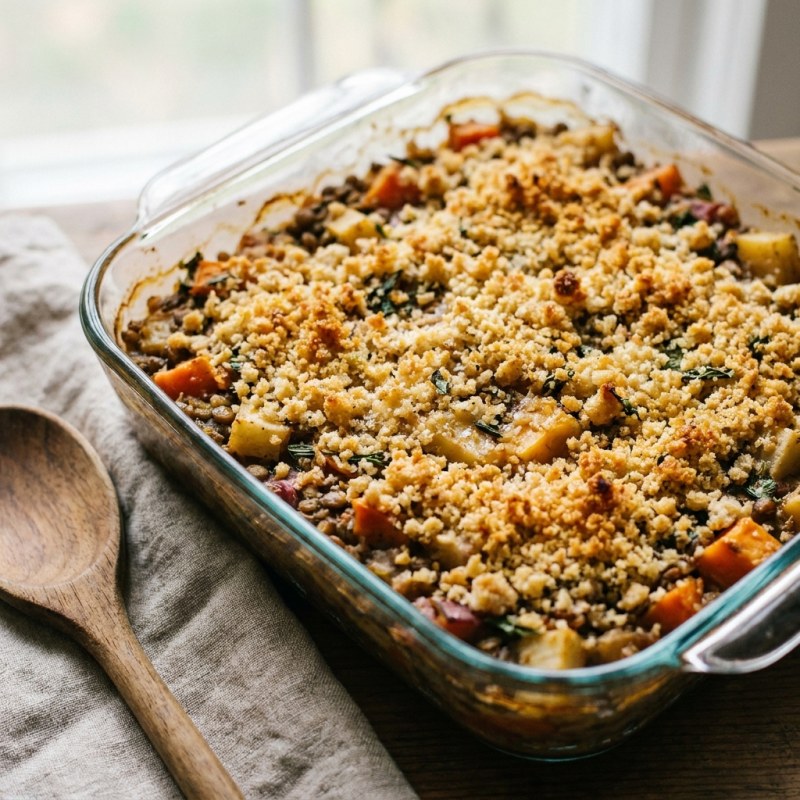
Most vegan freezer meal prep dishes guide advice stops at "beans and rice freeze fine," which is true but leaves out the other nine dishes that actually survive a freezer without turning to mush. I've frozen and thawed close to forty different plant-based recipes over the past two years specifically to figure out which ones hold their texture, and the list is longer and more interesting than the standard soup-and-chili default.
This guide covers the ten vegan dishes that genuinely freeze well, the ones that don't (and why), a real cost and time comparison, the exact freeze-and-thaw process I use, and a full plan for building a freezer stockpile over four weeks instead of one exhausting Sunday.
The appeal here goes beyond just convenience. A well-stocked vegan freezer means the difference between cooking from scratch on a night you genuinely don't have the energy for, and reaching for takeout that costs three or four times as much and rarely fits whatever nutrition goals brought you to plant-based eating in the first place.

Which Vegan Dishes Actually Freeze Well?
Texture is the deciding factor, not the ingredient list. Dishes with high water content and delicate structure (fresh greens, raw vegetables, anything creamy without a stabilizing starch) break down badly. Dishes built around legumes, grains, and dense roasted vegetables hold up because their cell structure survives the ice-crystal formation that ruins softer foods. Here are the ten that consistently work:
- Red lentil soup — Freezes for 3 months with almost no texture change, since lentils are already broken down by cooking.
- Black bean chili — The beans and tomato base both freeze cleanly; texture is nearly identical after thawing.
- Vegetable and chickpea curry — Coconut milk-based curries freeze better than dairy-based ones, since coconut fat doesn't separate the same way.
- Roasted vegetable and quinoa bowls — Roasting before freezing concentrates flavor and firms up the vegetables enough to survive thawing.
- Vegan meatballs (lentil or chickpea-based) — Hold their shape well since they're already dense and compact.
- Tofu and vegetable stir-fry (frozen before saucing) — Freeze the tofu and vegetables separately from any sauce for best results.
- Black bean burgers — Freeze raw or cooked; either way they hold together through thawing.
- Vegan bolognese (lentil-based) — The lentil base mimics ground meat's texture and freezes just as well.
- Baked oatmeal squares — A vegan breakfast option that freezes and reheats without turning gummy.
- Vegetable and bean soup — Any bean-and-vegetable combination with a broth base freezes reliably.
Which Vegan Dishes Should You Never Freeze?
Skip this section if you already know your problem dishes — but if not, these are the ones that consistently disappoint after thawing: fresh salads and raw vegetables (they go limp and watery), cashew-cream-based sauces without a starch stabilizer (they separate into a grainy mess), fried tofu (loses all its crispness and turns spongy), and avocado-based dishes like guacamole (the texture and color both degrade badly).
What Mistakes Ruin Otherwise Freezer-Friendly Vegan Meals?
The single biggest one: freezing food in a container that's too full. Liquid-based dishes like soup expand as they freeze, and a completely full container can crack or force the lid open, letting in freezer air that causes freezer burn. Leave at least an inch of headspace in any liquid-heavy container. The second common mistake is skipping labels — a freezer full of unlabeled bags of brown mush is a genuinely common problem, and dating everything means you're not gambling on food safety months later.
The Freeze-Friendliness Comparison Table Every Vegan Meal Prepper Needs
| Dish Type | Freezer Life | Texture After Thaw |
|---|---|---|
| Red lentil soup | 3 months | Excellent — no noticeable change |
| Black bean chili | 4-6 months | Excellent |
| Roasted vegetable quinoa bowls | 2-3 months | Good — slight softening in vegetables |
| Cashew cream sauce (unstabilized) | Not recommended | Poor — separates and turns grainy |
| Fresh salad greens | Not recommended | Poor — wilts and turns watery |
How I Build a 4-Week Vegan Freezer Stockpile in One Extended Session
- Cook a double or triple batch of red lentil soup — simmer 2 cups dry red lentils in 6 cups vegetable broth with onion, garlic, and cumin for 20-25 minutes.
- Cool completely before portioning — hot food going straight into the freezer raises the freezer's internal temperature and risks partial thawing of everything else inside.
- Portion into freezer-safe containers or bags, leaving an inch of headspace for liquid-based dishes.
- Label every container with the dish name and the date, using masking tape and a permanent marker.
- Repeat with a second dish — black bean chili, curry, or bolognese — using the same cook-cool-portion-label sequence.
- Lay flat to freeze if using bags, which saves significant freezer space compared to freezing containers upright.
- Rotate stock using "first in, first out" — place new containers at the back so older ones get used first.
What Does a Month of Vegan Freezer Meal Prep Actually Cost?
- 4 cups dry red lentils @ $1.79/lb (2 cups/lb) = $3.58
- 6 cans black beans @ $1.29 each = $7.74
- 2 cans coconut milk @ $2.49 each = $4.98
- Assorted vegetables (onion, carrot, celery, bell pepper) = $12.00
- Spices, broth, pantry staples (partial cost) = $8.00
Total: roughly $36.30 for a month's worth of freezer base ingredients, producing approximately 20 servings across two dishes — about $1.82 per serving, competitive with almost any other budget meal prep style. Scale up to three rotating dishes instead of two and the per-serving cost drops even further, since the fixed pantry costs (spices, broth base) get spread across more total servings without a proportional increase.
How Do You Thaw Vegan Freezer Meals Safely?
Per USDA guidance, the safest thaw method is overnight in the refrigerator, which keeps food below 40°F (4°C) throughout the process and avoids the bacterial growth risk of thawing at room temperature. For a faster option, submerge a sealed bag in cold water, changing the water every 30 minutes, which thaws most portions within an hour or two. Once thawed, reheat to steaming hot before eating, and never refreeze a dish that's already been thawed once.
The Biggest Mistake I Made Starting Vegan Freezer Meal Prep
I froze an entire batch of curry with fresh spinach stirred in, assuming it would hold up fine since the base was already freezer-friendly. It didn't — the spinach turned into dark, slimy strings after thawing, ruining the texture of an otherwise perfectly good curry. Now I add fresh greens after thawing and reheating, never before freezing, which keeps them bright and intact.
If you're building this into a broader budget vegan meal prep routine, that one adjustment — add delicate ingredients after freezing, not before — applies to almost every dish on this list, not just curry.
The second mistake, smaller but still worth naming: I underestimated how much a "double batch" actually scales up in terms of pot size and simmer time. Doubling a soup recipe doesn't just double the ingredient quantities — it also means a bigger pot, slightly longer time to come to a simmer, and more careful stirring to avoid scorching the bottom on a wider surface area of food. Budget an extra 15-20 minutes for any doubled or tripled batch compared to what the original recipe's cook time suggests.
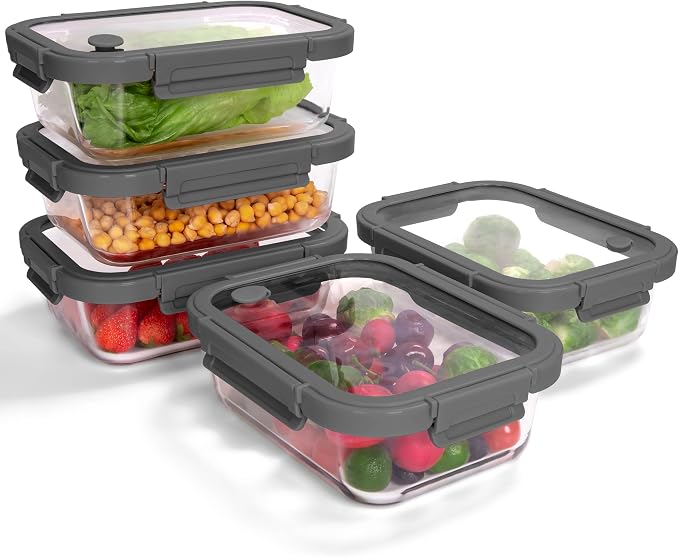
What Containers Actually Work Best for Vegan Freezer Meal Prep?
Glass containers crack under freezer conditions more often than people expect, particularly with liquid-heavy dishes that expand as they freeze. Freezer-safe plastic containers or heavy-duty freezer bags both outperform glass here. For soups and stews specifically, freezer bags laid flat until solid, then stacked like files in a drawer, use dramatically less space than an equivalent number of round containers — I fit roughly twice as many servings in the same freezer shelf space since switching to this method.
One detail worth getting right: press as much air out of freezer bags as possible before sealing. Trapped air is the main driver of freezer burn, which shows up as grayish-white patches and a dried-out texture on the food's surface. A straw inserted in the corner of a nearly-sealed bag, sucking out the remaining air before the final seal, is a low-cost trick that works nearly as well as a vacuum sealer.
 Overnight Oats Containers with Lids, Glass jars with Airtight Lids, Wide mouth Mason Salad jars, Glass Food" class="mpw-pb-img" loading="lazy">
How Much Freezer Space Does a Real Stockpile Actually Need?
This is the part that surprises people who've never done freezer meal prep at scale. A month's worth of two rotating dishes (roughly 20 servings) fits comfortably in about one-third of a standard chest freezer drawer, or a similar footprint in the freezer compartment of a regular fridge if you're not overloading it with other frozen goods. If you're working with just the freezer compartment on top of a standard refrigerator, plan for roughly two weeks of stock at a time rather than a full month, since space runs out faster than the math on paper suggests.
Microwave vs. Stovetop Reheating — Does It Matter for Texture?
For soups, stews, and curries, stovetop reheating over low-medium heat, stirring occasionally, produces noticeably better texture than microwaving — the food heats more evenly and doesn't develop the rubbery or overcooked spots that microwaves can cause around the edges of a container. That said, microwaving is faster and works fine for grain bowls and dishes without a liquid base. If texture quality matters more than speed on a given day, the extra 8-10 minutes of stovetop reheating is worth it; if you're just trying to eat lunch during a 20-minute break, the microwave is the reasonable choice.
Building a 4-Week Rotation Instead of Repeating One Dish
The mistake a lot of people make with freezer meal prep is batch-cooking one enormous pot of a single dish and eating nothing but that for a month. It's efficient, but it burns people out fast. A better approach: pick two or three dishes from the freezer-friendly list each cooking session, make a full batch of each, and rotate through them across the following weeks. This spreads the cooking effort across roughly one extended session every two to three weeks rather than every single day, while still giving you actual variety instead of the same bowl on repeat for thirty days straight.
Is a Vacuum Sealer Worth Buying for This?
If you're committing to vegan freezer meal prep as a genuinely regular habit rather than an occasional project, a basic vacuum sealer (typically $40-70) pays for itself over time by extending freezer life meaningfully — vacuum-sealed food generally lasts 2-3 times longer than food in a standard freezer bag before quality starts declining, since removing essentially all the air prevents freezer burn almost entirely. For someone doing this once or twice a month, the straw-and-freezer-bag method covered above is good enough and doesn't justify the upfront cost. For someone freezing weekly across many different dishes, the math tends to favor the vacuum sealer within the first few months.

Frequently Asked Questions
What vegan foods freeze best for meal prep?
Legume-based dishes like red lentil soup, black bean chili, and lentil bolognese freeze best, since their already-broken-down texture doesn't change much from ice crystal formation. Roasted vegetable and grain bowls also hold up well, while fresh salads, cashew-cream sauces, and fried tofu do not freeze well.
How long does vegan freezer meal prep last?
Most legume-based soups and stews last 3-6 months in the freezer at 0°F (-18°C) or below, while roasted vegetable dishes typically hold their best quality for 2-3 months. Beyond these windows the food is usually still safe to eat but may lose noticeable texture and flavor quality.
Can you freeze vegan curry?
Yes, coconut milk-based curries freeze well since coconut fat doesn't separate the way dairy does. The vegetables and legumes in the curry base hold their texture reasonably well too, though it's best to add any fresh greens after thawing rather than freezing them in the curry.
Why does my frozen vegan food taste watery after thawing?
This usually happens with high-water-content vegetables like zucchini or with dishes that weren't fully cooled before freezing, which causes extra condensation inside the container. Roasting vegetables before freezing (rather than steaming or boiling) reduces their water content and helps prevent this issue.
Is it safe to refreeze thawed vegan meal prep?
No, refreezing food that's already been thawed is not recommended, since each thaw-refreeze cycle increases bacterial growth risk and further degrades texture. Portion your freezer meals into single-serving containers before freezing so you only thaw what you'll actually eat.
At roughly $1.82 a serving and one extended cooking session covering a full month, vegan freezer meal prep solves the "no time to cook" problem better than almost any other approach. Start with a double batch of red lentil soup this week and build your stockpile from there.