I've eaten a meal prep bowl for lunch at my desk roughly 900 times. That's not an exaggeration — it's four years of Monday through Friday, minus vacations and the weeks where I gave up and ordered delivery. What I know from those 900 lunches: the bowls that survived to Friday were never the most elaborate ones. They were the ones with good sauce, a protein that didn't dry out, and a grain that reheated without turning to glue. This guide is built entirely from what actually worked.
The five bowl frameworks below each have a specific construction logic — not just a list of ingredients, but the reason for the combination, the storage order that prevents sogginess, the exact sauce that ties it together, and the reheating method that keeps it worth eating on day 4. All five cost under $2.80 per serving and pack in 30–42g of protein.
The single variable that separates a good meal prep bowl from a sad one is sauce — specifically, storing the sauce separately and adding it at eating time, not at prep time. Sauce mixed into a bowl at prep time soaks into the grain, breaks down the vegetable texture, and makes everything taste uniform and flat by day 3. Sauce in a small separate container or added fresh each morning takes 10 seconds and makes the difference between looking forward to lunch and dreading it.
What Makes a Meal Prep Bowl Actually Work for Work Lunches?
A work lunch bowl has specific constraints that a home dinner doesn't. It needs to reheat in under 2 minutes in an office microwave. It can't produce strong smells that alienate colleagues (fish, heavily spiced dishes, eggs). It needs to be satisfying enough to prevent the 3pm snack machine visit. And it needs to taste worth eating on Thursday — four days after it was made.
The framework that satisfies all four constraints every time: grain base + cold-tolerant protein + roasted vegetable + sauce kept separate. The grain base (rice, quinoa, farro) reheats reliably in 60–90 seconds. Cold-tolerant proteins like chicken thighs, ground turkey, and lentils survive 4 days of refrigeration without quality loss — unlike chicken breast, which becomes noticeably dry by day 3, or salmon, which intensifies in smell after day 2. Roasted vegetables hold texture better than steamed. And the sauce, kept separate, stays fresh and adds a hit of flavour that makes reheated food feel intentional rather than perfunctory.
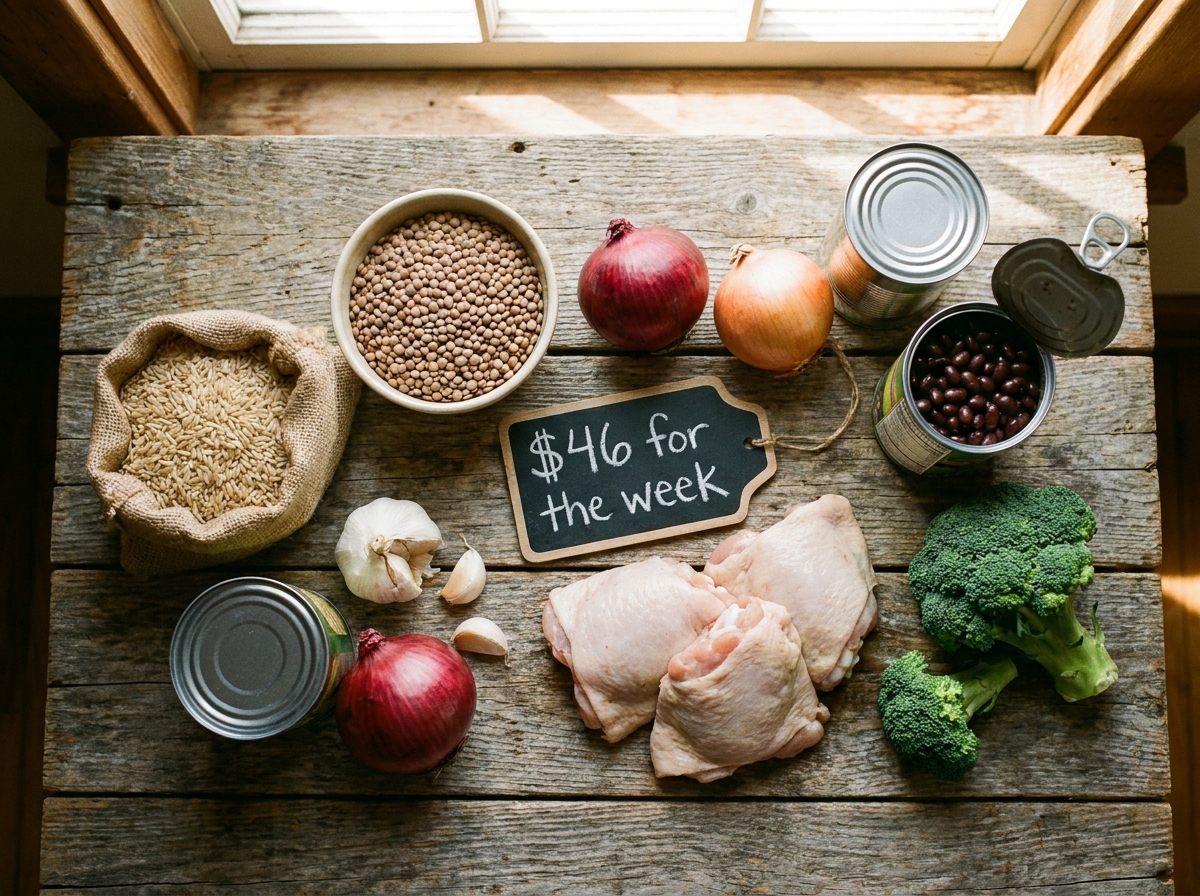
The per-bowl cost for a properly constructed work lunch bowl runs $2.20–$2.80 — versus the average office lunch purchase of $11–$16. Over 5 workdays that's a saving of $42–$67 per week, or $2,184–$3,484 annually. Even partial adoption (3 prepped lunches per week) generates $1,300–$2,100 in annual savings.
What Are the 5 Best Meal Prep Bowl Frameworks for Work?
Framework 1: Honey Soy Chicken Rice Bowl — $2.45/serving, 38g protein
Components: ¾ cup cooked brown rice + 1 portion honey-soy chicken thigh sliced (1.25 oz bone-in thighs per person) + ½ cup roasted broccoli + 2 tbsp shredded carrots (raw, added at packing time — adds crunch that survives 4 days better than cooked carrot).
Sauce (stored separately): 3 tbsp soy sauce + 2 tbsp honey + 1 tbsp rice vinegar + 1 tsp sesame oil + ½ tsp fresh ginger grated. Make on Sunday, store in a small jar. Lasts 7 days refrigerated.
Why it works at day 4: Chicken thighs have enough fat to stay moist after reheating. Brown rice reheats without clumping (unlike white rice, which can turn gummy). The sauce is added fresh so Monday and Friday taste identical.
Reheat: 80 seconds at 70% power, covered with a damp paper towel. Add sauce after reheating, not before.
Storage: 4 days refrigerated. Per USDA FoodKeeper, cooked poultry lasts 4 days at 40°F or below.
Framework 2: Mediterranean Quinoa Bowl — $2.60/serving, 30g protein
Components: ¾ cup cooked quinoa + ½ cup seasoned chickpeas (canned, warmed in a pan with cumin + smoked paprika) + ½ cup roasted zucchini and bell pepper + 2 tbsp crumbled feta (added at packing time, not reheated).
Sauce (stored separately): 2 tbsp tahini + juice of ½ lemon + 1 garlic clove minced + 3 tbsp warm water + ½ tsp cumin + salt. Whisk together — it will seize first then smooth out as you add water. Lasts 5 days refrigerated.
Why it works at day 4: Quinoa holds texture better than rice at day 4 — the individual grains stay separated and don't clump. Chickpeas are the most refrigerator-stable protein in this list, holding quality for the full 5 days. Feta added cold at serving time never gets rubbery.
Office smell factor: Low — tahini and lemon are neutral, chickpeas produce no significant smell when reheated. One of the safest office reheats on this list.
Framework 3: Ground Turkey Taco Bowl — $2.30/serving, 36g protein
Components: ¾ cup cooked brown rice + ¾ cup seasoned ground turkey (browned with cumin + chili powder + smoked paprika) + ½ cup black beans (canned, drained) + ¼ cup corn (frozen, thawed).
Sauce (stored separately): ½ cup plain Greek yogurt + 1–2 chipotle peppers in adobo minced + 1 tbsp adobo sauce + juice of ½ lime. 12g protein in the sauce itself. Keeps 5 days refrigerated.
Why it works at day 4: Ground turkey cooked with sauce-friendly spice blend rather than plain seasoning retains more moisture over days. Black beans are non-perishable additions that don't degrade. The chipotle yogurt sauce is so good it actively makes you want to eat this on day 4 — it's the highest-rated sauce of the five frameworks in terms of making the whole bowl feel fresh.
Add at serving: sliced avocado, fresh lime squeeze, hot sauce. Do not meal prep avocado — it oxidises within 2 hours even with lemon juice.
Framework 4: Lentil and Roasted Vegetable Bowl — $1.80/serving, 26g protein
Components: ¾ cup cooked farro (or brown rice) + ¾ cup red lentil dahl (see the recipe in the vegetarian meal prep guide) + ½ cup roasted sweet potato + ½ cup roasted broccoli.
Sauce (stored separately): Peanut satay — 3 tbsp natural peanut butter + 2 tbsp soy sauce + 1 tbsp rice vinegar + 1 tsp honey + 1 tsp sriracha + 3 tbsp warm water. Whisk together. Keeps 7 days refrigerated.
Why it works at day 4: Lentil dahl genuinely improves over 4 days as the spices deepen — this is the one bowl where day 4 is objectively better than day 1. The cheapest bowl on the list at $1.80 per serving. The peanut satay sauce is strong enough to make even a completely plain grain and vegetable bowl taste like a meal worth having.
Storage: Lentil dahl lasts 5 days per USDA FoodKeeper cooked legume guidelines. This bowl can safely be prepped for all 5 days in a single Sunday session.
Framework 5: Korean-Inspired Beef Bibimbap Bowl — $2.75/serving, 32g protein
Components: ¾ cup cooked white rice (short-grain or jasmine — this is one case where white rice is correct; bibimbap texture depends on sticky rice) + 3oz lean ground beef browned with soy sauce + sesame oil + garlic + ginger + ½ cup roasted zucchini and mushrooms + 1 tbsp kimchi (store-bought, added cold at serving — don't reheat kimchi, it loses its probiotic benefit and intensifies in smell).
Sauce (stored separately): Gochujang sauce — 1 tbsp gochujang paste + 1 tbsp sesame oil + 1 tbsp rice vinegar + 1 tsp honey + 1 tsp soy sauce. Adjust heat with more or less gochujang. Keeps 10+ days refrigerated.
Office note: This bowl has the strongest smell on reheat due to the sesame oil in the beef. Fine in an office with good ventilation or an outdoor seating area; may be inconsiderate in a small enclosed kitchen. Know your office before bringing this one.
How Do You Build the Bowl Container for Best Results?
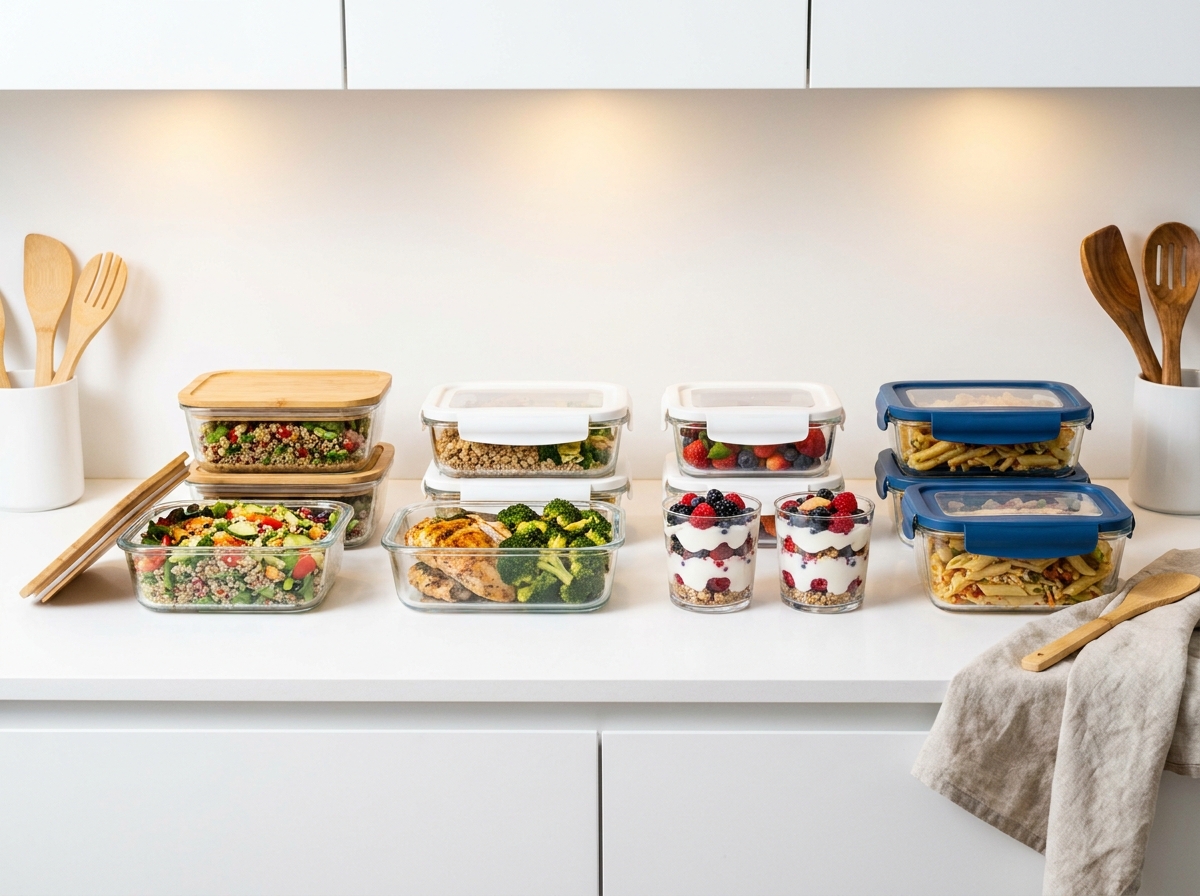
Container and layering order matter more than most meal prep guides acknowledge. The right approach:
- Container: use a wide 2-cup container with a tight-fitting lid rather than a tall narrow one. Wide containers allow even reheating — a tall narrow container of rice reheats unevenly, with the top steaming while the bottom overcooks.
- Layering order: grain base first (bottom), protein second, vegetables on top. Never put sauce on top of vegetables at prep time — it soaks down and makes the grain gummy. Keep sauce in a separate small container.
- Don't fill to the top: leave ½ inch of headspace. A fully packed container creates steam pressure during reheating that can blow the lid and create a genuinely unpleasant office microwave situation.
- Remove the lid before microwaving: always, even for containers marketed as microwave-safe. The seal on most meal prep lids is tight enough to build steam pressure during microwaving. Use a damp paper towel as a cover instead.
For tested container picks at every price point including which glass and plastic containers hold up after 100+ microwave cycles, see the meal prep container guide.
What Is the Sunday Prep Timeline for 5 Work Lunch Bowls?
All 5 bowls below can be prepped in 75 minutes Sunday using the parallel cooking method:
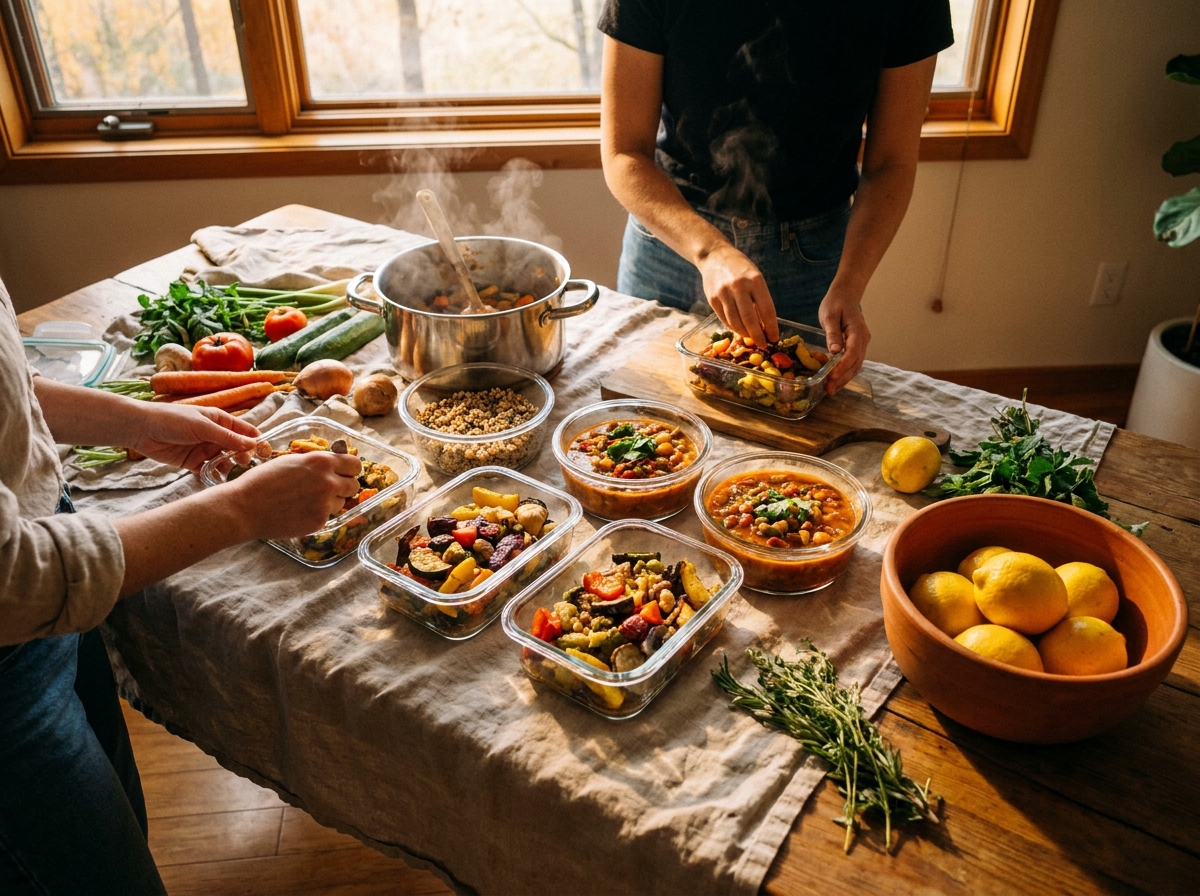
- 0:00 — Oven to 425°F. Rice or quinoa on stovetop (unattended 40 min). Season and sheet-pan chicken or ground beef — into oven.
- 0:10 — Prep and season vegetables. Second sheet pan into oven at 0:18.
- 0:20 — Make 2 sauces (10 minutes total). Store in small jars.
- 0:38 — Vegetables out. Protein check (chicken to 175°F, beef to 165°F).
- 0:42 — Everything out. Spread to cool on open surfaces.
- 1:00 — Portion into 5 containers. Grain bottom, protein middle, vegetables top. Sauce in separate small containers. Label with day.
- 1:15 — Done.
Frequently Asked Questions About Meal Prep Bowls for Work
How long do meal prep bowls last for work lunches?
4 days for protein-based bowls (chicken, turkey, beef). 5 days for legume-based bowls (lentils, chickpeas). Per USDA FoodKeeper: cooked poultry and meat last 4 days refrigerated at 40°F. Cooked legumes and grains last 4–6 days. Build your week around eating protein-heavy bowls Monday through Thursday and having the legume bowl as your Friday option — it's at its best on day 5 anyway.
What is the best grain for meal prep bowls that reheat well?
Brown rice is the most reliable. It reheats without clumping, has a neutral flavour that works with any sauce, and holds texture for 5 days refrigerated. Quinoa is second — slightly nuttier, slightly more protein (4g per ½ cup versus 2g for rice), and holds individual grain texture well through day 4. Farro is excellent for variety — chewier texture than rice, nutty flavour, stays firm longest. Avoid: white pasta (glues together by day 2 and smells stronger on reheat), couscous (dries out rapidly), and white rice for anything beyond 2 days (becomes gummy).
How do you keep meal prep bowls from getting soggy?
Four rules: store sauce separately, never seal hot food (steam condenses and soaks the grain), layer with grain at the bottom and vegetables on top (not submerged in any liquid), and use roasted rather than steamed vegetables (roasted vegetables lose moisture during cooking and are more resistant to further softening). If your bowls consistently go soggy by day 3, the cause is almost always one of these four — usually the first one.
What is the best protein for meal prep bowls that stays moist all week?
Bone-in chicken thighs consistently outperform every other animal protein for 4-day meal prep bowls. The fat content prevents the drying that happens to chicken breast by day 3. Ground turkey cooked in a well-seasoned sauce is second. Lentils and chickpeas are the most refrigerator-stable of all — they actually improve over 4–5 days. Avoid chicken breast unless brined first and eaten within 3 days; avoid salmon entirely for 4-day prep (use Monday–Wednesday only).
Can you meal prep salad bowls for work?
Only with careful construction. Grain-based and roasted vegetable components hold for 4–5 days. Fresh salad greens wilt within 24 hours if dressed, and within 2–3 days even undressed if they absorb any moisture. The practical approach: meal prep the grain and protein components, store greens separately in a dry container with a paper towel layer to absorb moisture, and combine at eating time. This gives you a 4-day salad bowl where the greens stay fresh. Never pre-dress a salad bowl at prep time.